
What's Happening?
The trend of 'fibermaxxing,' which involves increasing daily fiber intake, is gaining attention as a potential method to reduce the risk of colorectal cancer. According to a 2023 report by the American
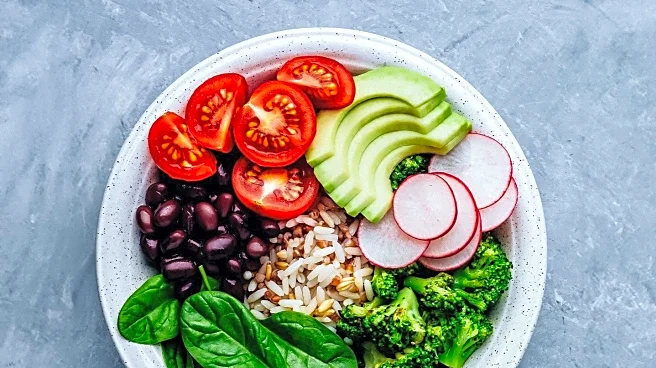
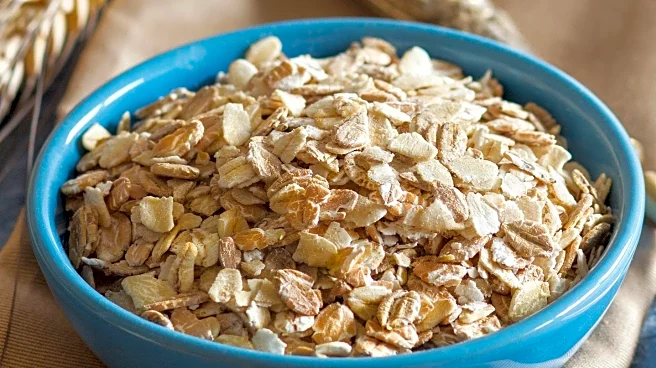
Cancer Society, colorectal cancer rates are rising among younger individuals, with one in five diagnosed being under 55. The trend encourages consumption of fiber-rich foods like flaxseeds, beans, nuts, and fruits to improve digestive health, promote fullness, and aid in weight loss. Registered dietitians emphasize the importance of adhering to recommended daily fiber intake, which ranges from 25 to 38 grams for adults, depending on age and sex. Experts caution that while fibermaxxing can be beneficial, it should be approached gradually to avoid gastrointestinal discomfort. Certain individuals, such as those with irritable bowel syndrome or Crohn's disease, should consult healthcare providers before significantly increasing fiber intake.
Why It's Important?
The fibermaxxing trend highlights a critical dietary gap in the standard American diet, which often lacks sufficient fiber. Increasing fiber intake is linked to numerous health benefits, including improved gut health, lower LDL cholesterol, stable blood sugar levels, and reduced risk of chronic diseases like colorectal cancer, Type 2 diabetes, and cardiovascular disease. As colorectal cancer is the third leading cause of cancer death in both men and women, dietary strategies like fibermaxxing could play a significant role in public health efforts to combat this trend. The emphasis on whole-food fiber sources also aligns with broader nutritional guidelines promoting plant-based diets for overall health improvement.
What's Next?
As the fibermaxxing trend continues to gain traction, it is likely to influence dietary recommendations and public health campaigns focused on increasing fiber intake. Nutritionists and healthcare providers may increasingly advocate for fiber-rich diets as a preventive measure against colorectal cancer and other chronic conditions. Further research could explore the long-term effects of fibermaxxing and its potential role in weight management and chronic disease prevention. Public awareness campaigns might also emerge to educate individuals on safe and effective ways to increase fiber intake without adverse effects.
Beyond the Headlines
The fibermaxxing trend underscores a broader shift towards preventive health measures and personalized nutrition. It reflects growing consumer interest in dietary strategies that support long-term health and wellness. This trend may also prompt food manufacturers to develop and market more fiber-rich products, potentially influencing food industry practices. Additionally, the focus on fiber highlights the importance of dietary education and the need for individuals to understand the nutritional content of their food choices. As dietary trends evolve, the role of registered dietitians and nutritionists in guiding safe and effective dietary changes will become increasingly important.