



What's Happening?
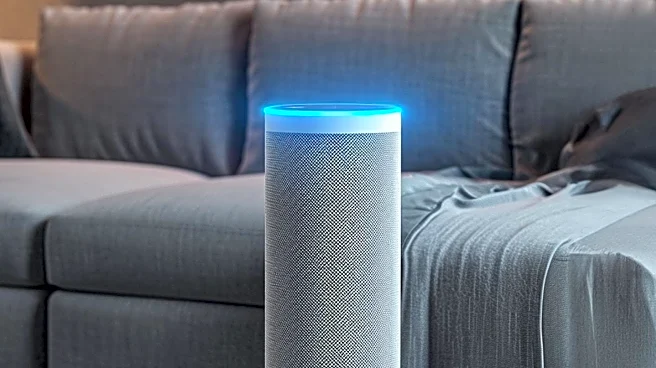
A recent advice column by R. Eric Thomas addresses concerns about the eavesdropping capabilities of Amazon's Alexa devices. A reader expressed discomfort with Alexa's ability to listen to conversations, especially during intimate or professional discussions. The column explains that Alexa, along with similar devices like Google Assistant and Siri, is designed to listen for a 'wake' word and then record and analyze subsequent conversations. However, these devices can sometimes activate unintentionally, such as when a similar-sounding word is spoken. Users have the option to turn off the microphone or delete recorded conversations to enhance privacy. The column suggests that individuals visiting homes with such devices can request the host to disable
them during their visit.
Why It's Important?
The issue of smart devices eavesdropping has significant implications for privacy and security. As these devices become more prevalent in homes, concerns about data collection and surveillance grow. The ability of these devices to inadvertently record conversations raises questions about consent and the extent of data being stored by tech companies. This situation highlights the need for clearer privacy policies and user controls to protect personal information. The broader impact includes potential changes in consumer behavior, as individuals may become more cautious about using smart devices or demand greater transparency from manufacturers.
What's Next?
As awareness of these privacy concerns increases, it is likely that consumers will push for more stringent privacy controls and transparency from tech companies. This could lead to regulatory scrutiny and potential changes in legislation to protect consumer privacy. Tech companies may respond by enhancing privacy features and providing clearer information on data usage. Additionally, there may be an increase in public discourse about the balance between convenience and privacy in the use of smart technology.