


What's Happening?
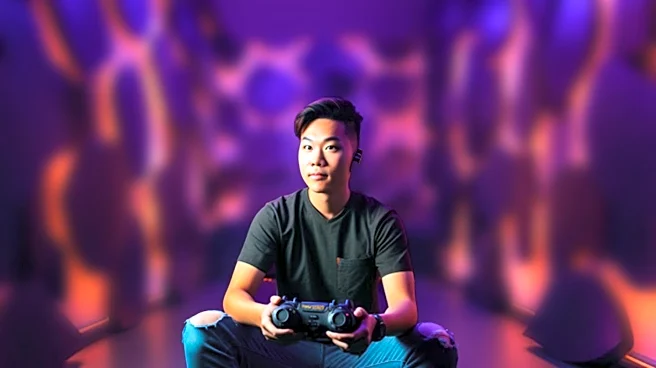
At the 2026 South by Southwest (SXSW) festival in Austin, Texas, the integration of artificial intelligence (AI) into art and gaming was a major focus. The event showcased various AI-driven experiences, including VR games and interactive art installations.
Notable among these was 'Fabula Rasa: Dead Man Talking,' a VR game using generative AI for character interactions, and 'The Great Dictator,' an exhibit exploring the power of rhetoric through AI-generated voice and video overlays. The festival highlighted both the creative potential and the challenges posed by AI, as attendees grappled with its rapid advancement and impact on traditional art forms.
Why It's Important?
The discussions and exhibits at SXSW underscore the growing influence of AI in creative industries. As AI technology becomes more sophisticated, it offers new tools for artists and developers, enabling innovative forms of expression and interaction. However, this also raises questions about the future of creativity and the role of human artists. The festival's focus on AI reflects broader societal concerns about the technology's impact on jobs, privacy, and the authenticity of art. As AI continues to evolve, it will likely reshape the landscape of creative industries, challenging existing norms and prompting new ethical considerations.
What's Next?
The integration of AI into art and gaming is expected to continue, with developers exploring new ways to leverage the technology for creative purposes. Future conferences and events may further examine the ethical implications of AI, particularly in terms of data privacy and the potential for deepfakes. As AI tools become more accessible, there may be increased collaboration between technologists and artists, leading to new hybrid forms of art. Additionally, regulatory bodies may need to address the challenges posed by AI, ensuring that its development aligns with societal values and ethical standards.
Beyond the Headlines
The use of AI in art and gaming raises deeper questions about the nature of creativity and authorship. As AI-generated content becomes more prevalent, it challenges traditional notions of originality and ownership. This could lead to a reevaluation of intellectual property laws and the rights of AI creators. Furthermore, the emotional and psychological impact of AI on artists and audiences is an area ripe for exploration, as people navigate the blurred lines between human and machine-generated art. The festival's focus on AI highlights the need for ongoing dialogue about its role in shaping cultural and artistic landscapes.