


What's Happening?
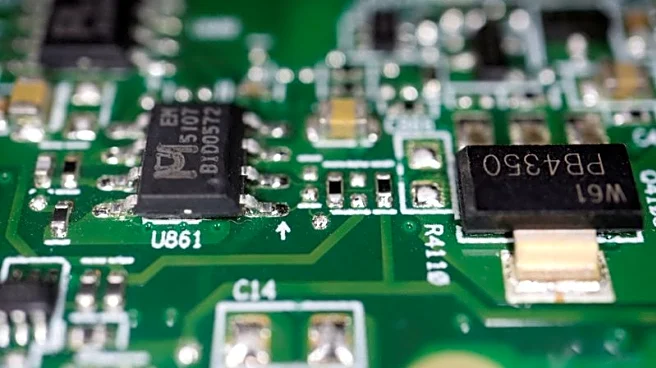
Technology companies in the United States are significantly altering their manufacturing processes and energy sourcing strategies in response to the growing demand for artificial intelligence (AI). Apple plans to relocate part of its Mac mini production
from Asia to Texas by 2026, with assembly taking place in Houston. This move is part of a broader $600-billion investment strategy discussed by Apple's CEO Tim Cook with President Trump. Additionally, Apple intends to open a 20,000-square-foot advanced manufacturing center in Houston to provide production training. Meanwhile, Meta Platforms has entered into a strategic partnership with Advanced Micro Devices (AMD) to deploy 6 gigawatts of graphics processing units (GPUs) over the next five years, potentially giving Meta a 10-percent stake in AMD. This partnership aims to align GPU and CPU roadmaps for long-term AI growth. President Trump has also urged major tech companies to build their own power plants to support energy-intensive AI data centers, aiming to prevent household electricity prices from rising due to increased AI-related demand.
Why It's Important?
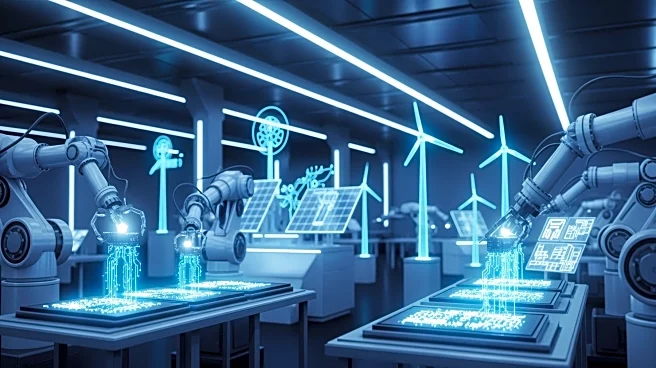
The shift in manufacturing and energy strategies by major tech companies highlights the transformative impact of AI on the U.S. technology sector. By moving production domestically, Apple is not only addressing supply chain vulnerabilities but also investing in local economies and workforce development. The partnership between Meta and AMD underscores the critical role of strategic alliances in advancing AI capabilities and maintaining competitive advantage. President Trump's call for tech companies to build their own power plants reflects the growing concern over the strain AI data centers place on the national power grid. This initiative could lead to significant changes in how energy is sourced and managed, potentially influencing energy policy and infrastructure development. The developments indicate a broader trend of integrating AI into core business operations, which could drive innovation and economic growth but also pose challenges related to energy consumption and infrastructure demands.
What's Next?
As these strategies unfold, several key developments are anticipated. Apple's investment in domestic manufacturing is expected to create new jobs and enhance the U.S. tech manufacturing landscape. The partnership between Meta and AMD will likely accelerate advancements in AI technology, with initial GPU shipments scheduled for the second half of 2026. President Trump's proposal for tech companies to build their own power plants will require further clarification and formalization, with a meeting of major tech firms expected in early March. This initiative could lead to new regulatory frameworks and partnerships between tech companies and energy providers. The ongoing evolution of AI-driven demand will continue to shape supply chains, capital expenditure, and infrastructure planning across the technology sector.