
What's Happening?
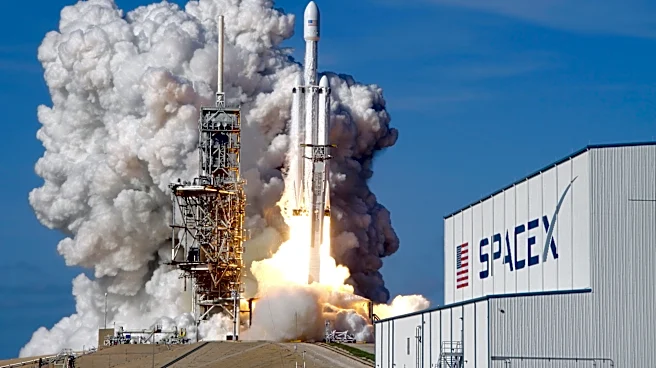
The S&P 500 has decided not to alter its rules to allow SpaceX, along with AI companies OpenAI and Anthropic, expedited entry into the index. This decision follows a request from SpaceX for a swift inclusion
in the index as part of its initial public offering (IPO) strategy. The S&P Dow Jones Indices, responsible for managing the S&P 500, conducted a month-long consultation to consider potential rule changes that would have facilitated SpaceX's entry. These changes included reducing the IPO seasoning period from 12 months to six months and waiving the requirement for MegaCap companies to make at least 10% of their shares publicly available. Additionally, the requirement for companies to demonstrate profitability over the latest and previous four quarters was also considered for waiver. However, the decision was made to maintain the existing rules, thereby preventing SpaceX from gaining accelerated access to passive investment funds.
Why It's Important?
This decision by the S&P 500 has significant implications for SpaceX and other AI companies like OpenAI and Anthropic. By not allowing expedited entry, these companies miss out on the potential influx of billions of dollars from passive investment funds that automatically purchase shares of S&P 500 companies. This move is seen as a protective measure for investors, particularly those with retirement savings plans, from the market risks associated with SpaceX's substantial investments in AI and speculative projects like orbital data centers. The decision underscores the challenges faced by AI companies in securing funding for expensive data centers and highlights the financial pressures of shifting costs to customers through usage-based pricing models.
What's Next?
With the S&P 500 maintaining its current rules, SpaceX and similar companies will need to meet the standard requirements for index inclusion, which includes demonstrating profitability and making a significant portion of shares publicly available. This may delay their access to passive investment funds and require them to explore alternative funding strategies. The decision could also prompt discussions within the investment community about the balance between innovation and financial stability, particularly in sectors like AI that are rapidly evolving but financially volatile.