







What's Happening?
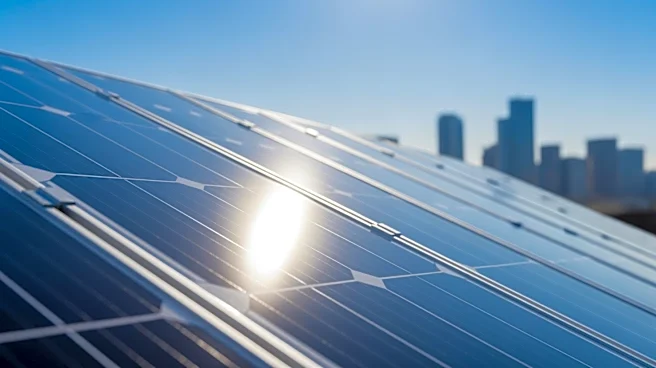
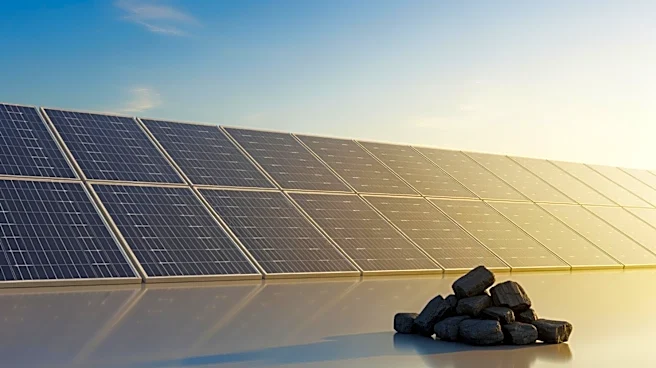
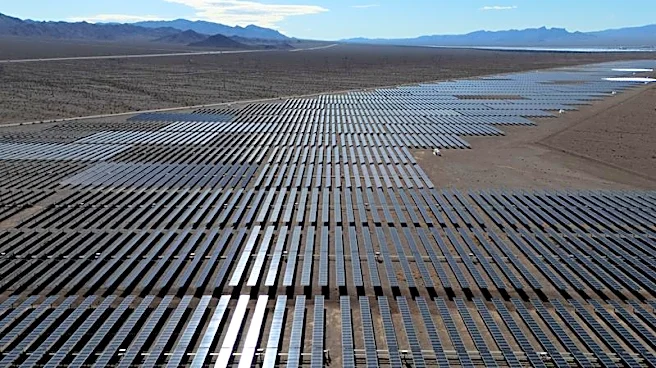
In May 2026, solar energy surpassed coal as a source of electricity in the United States, marking a significant milestone in the country's energy landscape. This achievement comes despite President Trump's administration's efforts to support coal and undermine
renewable energy initiatives. Since taking office, Trump has implemented policies that favor fossil fuels, including slashing federal grants for renewable projects and providing substantial financial support to the coal industry. However, solar energy has continued to grow, becoming the cheapest and most reliable energy source, even during extreme weather conditions. The Sierra Club, a prominent environmental organization, has criticized Trump's policies, emphasizing the public's demand for clean and affordable energy.
Why It's Important?
The rise of solar energy over coal in the U.S. signifies a major shift in the nation's energy priorities and has broad implications for environmental policy and economic development. This transition reflects the growing public and market preference for renewable energy sources, driven by concerns over climate change and the economic benefits of clean energy. The continued growth of solar energy challenges the traditional dominance of fossil fuels and highlights the potential for renewable energy to play a central role in the U.S. energy mix. This shift also underscores the limitations of political efforts to revive the coal industry, as market forces and public demand increasingly favor sustainable energy solutions.
What's Next?
The future of energy policy in the U.S. will likely involve continued debates over the role of renewable energy and fossil fuels. As solar energy gains prominence, policymakers and industry leaders will need to address challenges related to infrastructure, grid integration, and regulatory frameworks to support this transition. The response from the coal industry and its political allies will also shape the trajectory of energy policy, as they may seek to influence legislation and public opinion. Additionally, the international context, including global commitments to reduce carbon emissions, will impact the U.S. energy landscape and the role of renewable energy in achieving climate goals.