






What's Happening?
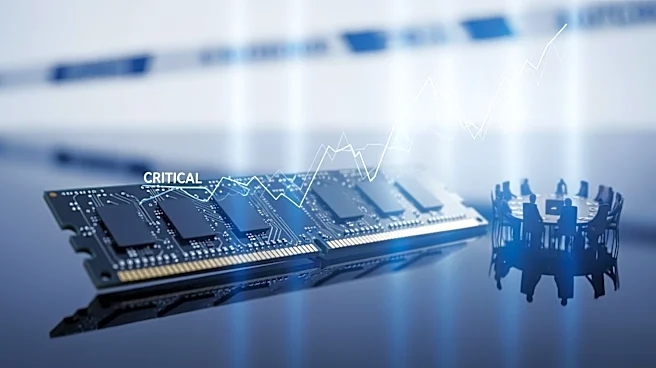
Framework, a modular laptop specialist, has issued an update regarding the current state of memory prices. CEO Nirav Patel has expressed concerns that the recent stabilization in memory costs is only temporary, with further increases anticipated throughout
2026. Patel noted that while DDR5 prices for DIY Edition have remained unchanged for the month, the company is facing higher costs for new inventory, particularly for SSDs. The 4 TB WD SN850x SSD is one example where prices will need to be adjusted due to increased costs. Despite these challenges, Framework has managed to offset some memory price increases with lower CPU costs for certain laptop configurations. Patel emphasized that the memory market's future largely depends on developments within the AI industry, which could either stabilize or further disrupt pricing.
Why It's Important?
The volatility in memory prices has significant implications for the technology industry, particularly for companies reliant on these components for manufacturing and product development. As memory prices fluctuate, businesses may face increased production costs, potentially leading to higher consumer prices or reduced profit margins. The situation underscores the broader economic impact of supply chain disruptions and the influence of emerging technologies like AI on market stability. Companies like Framework must navigate these challenges to maintain competitiveness and manage operational costs effectively. The anticipated price increases could affect consumer purchasing decisions and influence the strategic planning of tech companies.
What's Next?
Framework and other tech companies will likely continue to monitor the memory market closely, adjusting their pricing strategies and inventory management to mitigate the impact of cost fluctuations. The industry may see increased collaboration with suppliers to secure more stable pricing agreements or explore alternative sourcing options. As the AI industry evolves, its influence on memory demand and pricing will be a critical factor in shaping future market dynamics. Companies may also invest in research and development to innovate around these challenges, potentially leading to new technologies or business models that can better withstand market volatility.