
What's Happening?
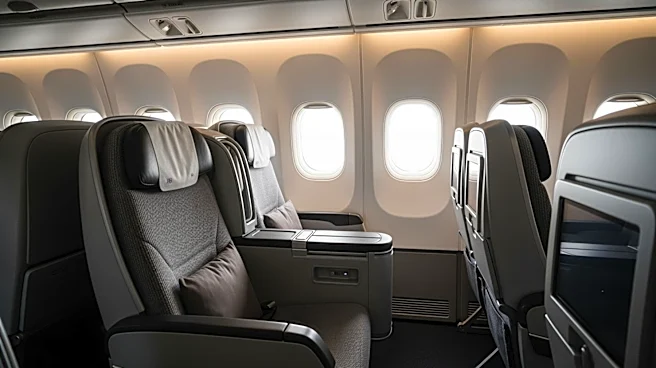
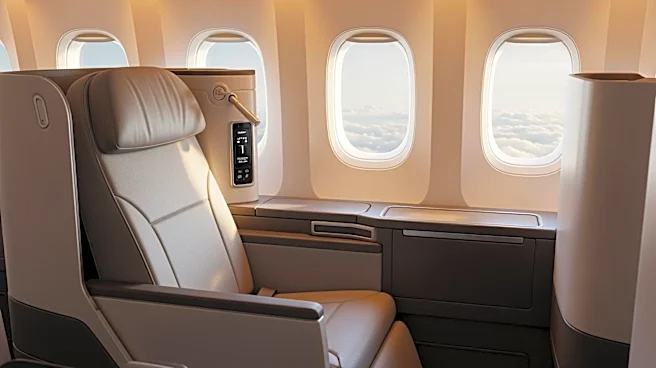
LATAM Airlines Group is set to become the first Latin American airline to offer lie-flat premium seats on narrowbody jets, specifically the Airbus A321XLRs, with deliveries expected to begin in 2027. This
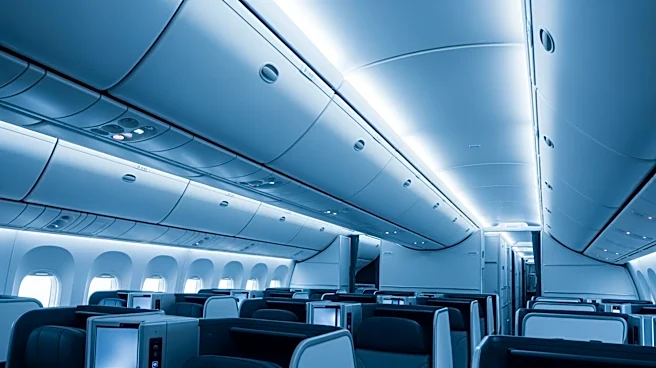
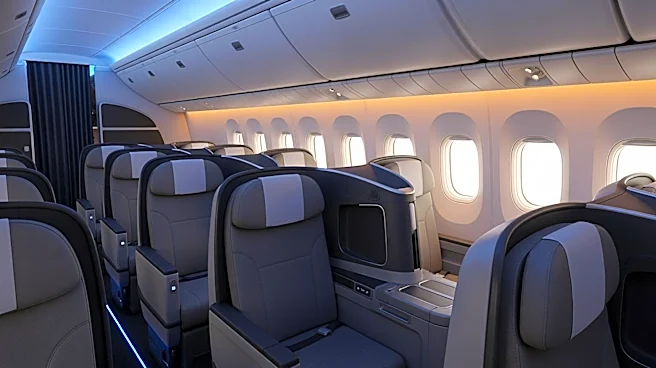
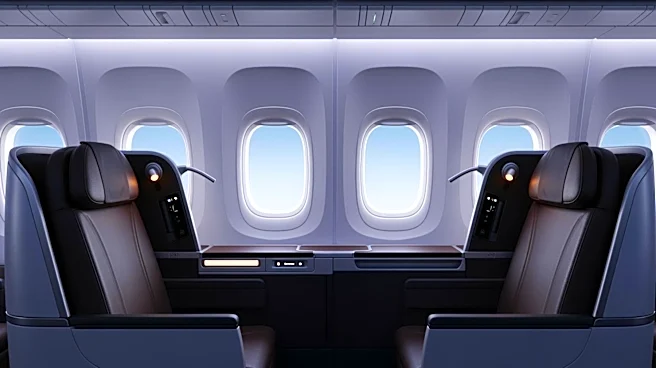
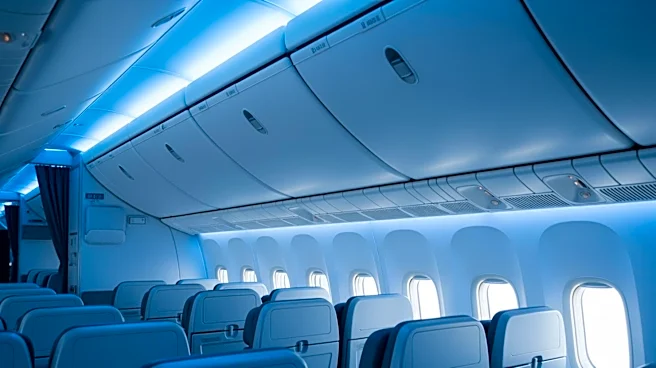
move is part of LATAM's strategy to enhance passenger comfort and expand its network. The A321XLRs will feature a premium business class with a one-to-one seating configuration and an economy class with a standard three-by-three layout. Paulo Miranda, LATAM's chief experience and customer officer, emphasized that this configuration will bring long-haul standards of comfort, connectivity, and privacy to single-aisle aircraft. Meanwhile, Chile's SKY Airline, which also holds orders for the A321XLRs, plans to deploy single-class cabins on these jets, focusing on fleet modernization.
Why It's Important?
The introduction of lie-flat seats on narrowbody jets by LATAM Airlines represents a significant shift in the airline industry, particularly in Latin America. This move could set a new standard for passenger comfort on regional flights, potentially influencing other airlines to follow suit. By offering enhanced comfort and connectivity, LATAM aims to attract more business travelers and strengthen its competitive position in the market. This development also highlights the growing importance of the A321XLR in expanding route networks and improving connectivity between South America and distant destinations. The decision by SKY Airline to focus on single-class cabins indicates a different strategic approach, emphasizing cost efficiency and fleet modernization.
What's Next?
As LATAM prepares for the delivery of the A321XLRs, the airline will likely focus on marketing its new premium offerings to attract business travelers and enhance its brand image. The introduction of these jets could lead to the opening of new routes, particularly long-haul flights from South America to North America and potentially Europe. Meanwhile, SKY Airline's strategy of deploying single-class cabins may lead to increased competition in the budget travel segment. Both airlines will need to navigate the challenges of integrating these new aircraft into their fleets while maintaining operational efficiency and customer satisfaction.