
What's Happening?
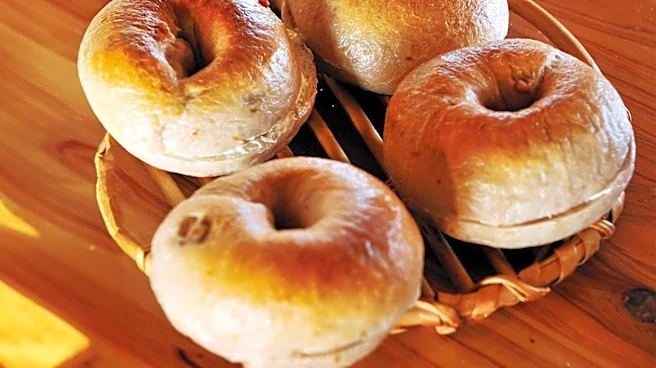
A proposed ban on the use of potassium bromate, a common additive in flour, could significantly alter the production of New York's iconic pizza and bagels. The additive, which is used to strengthen dough
and improve texture, is considered a potential carcinogen and is already banned in several countries. The legislation, awaiting the signature of Governor Kathy Hochul, has sparked debate among bakers and consumers. While some see the ban as a necessary health measure, others worry about the impact on traditional recipes and the potential increase in production costs.
Why It's Important?
The proposed ban is important as it addresses public health concerns associated with potassium bromate, aligning New York with international standards. If enacted, the legislation could lead to significant changes in the food industry, particularly affecting small businesses that rely on traditional baking methods. The transition to alternative ingredients may increase costs and require adjustments in production processes, impacting the affordability and availability of these staple foods. This move could also influence consumer preferences and drive innovation in the baking industry as businesses adapt to new regulations.
What's Next?
If the ban is approved, businesses will have a grace period to transition to bromate-free flour. This period will be crucial for bakers to experiment with new recipes and ensure product quality. The industry may see a shift towards more artisanal and health-conscious baking practices. Consumer education will be important to manage expectations and highlight the benefits of the change. The outcome of this legislation could set a precedent for other states considering similar bans, potentially leading to nationwide changes in food production standards.