
What's Happening?
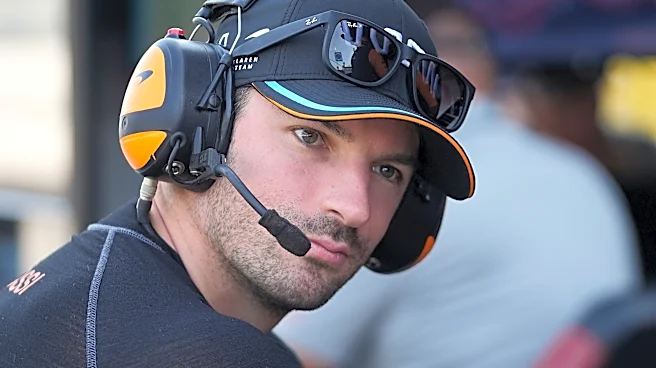
James Hinchcliffe, a six-time INDYCAR winner, provides an insider's perspective on the intense pressure faced by drivers during the Indianapolis 500 qualifying rounds. The Indy 500, known as 'The Greatest
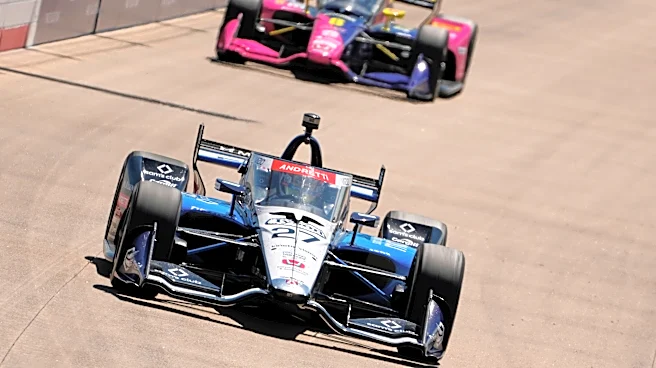
Spectacle in Racing,' attracts over 300,000 spectators and millions of television viewers. Qualifying for this prestigious event involves achieving the best average speed over a four-lap run at the Indianapolis Motor Speedway, with speeds exceeding 230 mph. The process is highly competitive, with 33 drivers vying for a spot in the race. Hinchcliffe shares his personal experiences, highlighting the emotional rollercoaster of qualifying, from failing to qualify in one year to starting from the pole position in 2016. The preparation for these qualifying runs is meticulous, with teams dedicating countless hours to optimize their cars for speed. Despite the high stakes, the camaraderie among drivers is evident, as they engage in light-hearted pranks to relieve stress during the month-long event.
Why It's Important?
The Indianapolis 500 is a cornerstone of American motorsport, and qualifying for the race is a significant achievement for drivers and teams. The event not only tests the technical prowess of the teams but also the mental and physical endurance of the drivers. Success in qualifying can boost a team's reputation and provide a competitive edge on race day. The intense preparation and high-speed risks involved underscore the dedication and skill required in motorsport. Additionally, the camaraderie and sportsmanship among drivers, despite the competitive environment, highlight the unique culture within the racing community. The event's global viewership and historical significance make it a critical platform for showcasing advancements in automotive technology and driver safety.
What's Next?
As the Indy 500 approaches, teams and drivers will continue to refine their strategies and vehicles to maximize performance on race day. The recent rule change by INDYCAR, prioritizing driver safety over pit cycle considerations during cautions, will influence race strategies and could lead to more unpredictable outcomes. This change reflects the ongoing commitment to enhancing safety standards in the sport. Fans and stakeholders will be watching closely to see how these adjustments impact the dynamics of the race. The camaraderie and competitive spirit among drivers are expected to continue, contributing to the event's unique atmosphere.
Beyond the Headlines
The Indianapolis 500 serves as a microcosm of the broader challenges and innovations in motorsport. The emphasis on safety, technological advancements, and strategic planning reflects the evolving nature of the industry. The event also highlights the balance between competition and camaraderie, as drivers navigate the pressures of high-stakes racing while maintaining mutual respect and support. The cultural significance of the Indy 500, as a longstanding American tradition, continues to draw attention to the sport and its impact on automotive engineering and safety standards.