





What's Happening?
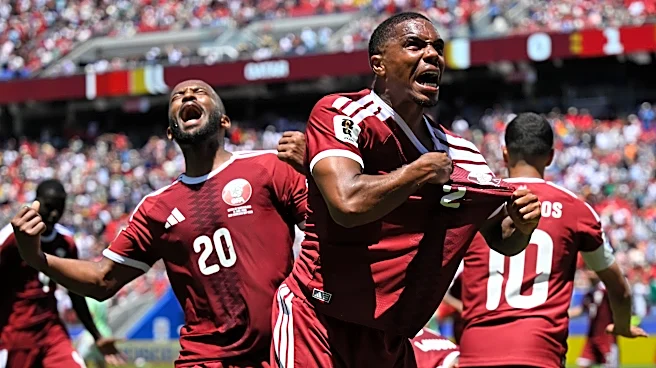
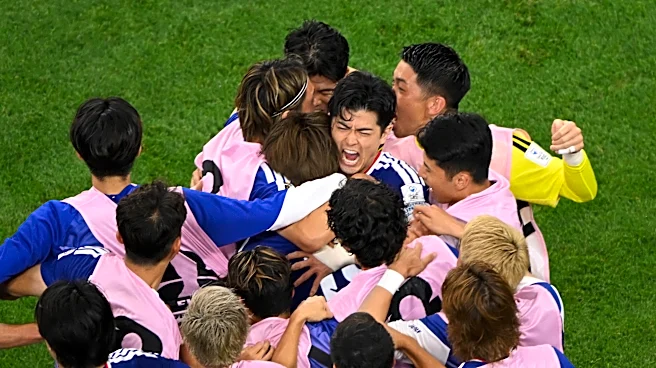
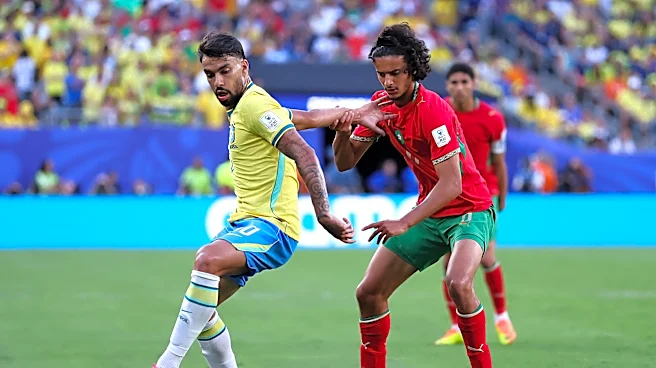
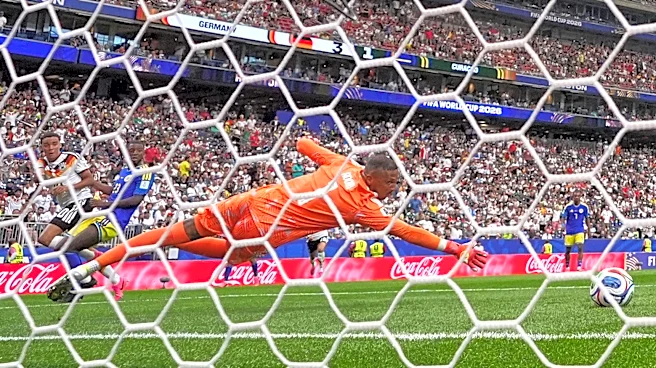
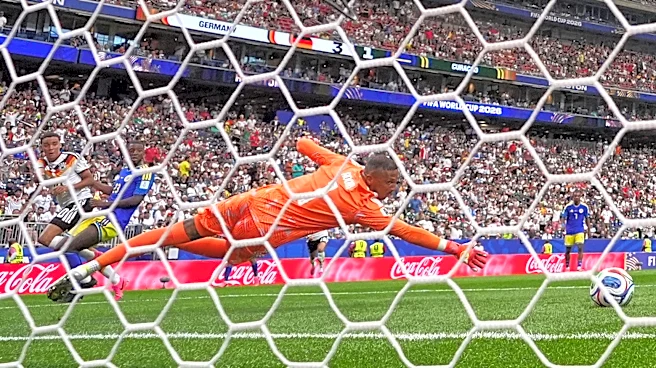
The 2026 FIFA World Cup has commenced, with the United States, Canada, and Mexico hosting the tournament. Group F, featuring the Netherlands, Japan, Sweden, and Tunisia, began its matches with a 2-2 draw between the Netherlands and Japan at AT&T Stadium
in Arlington, Texas. This match marks the start of the group stage, where each team will play three matches to determine who advances to the knockout rounds. The tournament is notable for its expanded format, featuring 48 teams, the most in World Cup history. The group stage will see teams competing in various locations across North America, with the top two or three teams from each group advancing to the next stage.
Why It's Important?
The 2026 World Cup is significant as it introduces a new format with 48 teams, increasing the competition and opportunities for nations to participate. The tournament's expansion reflects FIFA's efforts to globalize the sport further and provide more nations with the chance to compete on the world stage. For the host countries, the event is expected to boost tourism and local economies, as fans from around the world travel to attend matches. The performance of teams like the Netherlands and Japan in the group stage will be crucial in setting the tone for their World Cup campaigns, with both teams aiming to advance beyond the group stage and potentially make deep runs in the tournament.
What's Next?
As the group stage progresses, teams will continue to compete for a spot in the knockout rounds. The next matches for Group F will see the Netherlands facing Sweden and Japan taking on Tunisia. These matches will be critical for teams to secure points and improve their standings within the group. The expanded format allows for the possibility of third-place teams advancing, adding an extra layer of strategy and competition. Fans and analysts will be closely watching the performances of key players and teams as they navigate the challenges of the group stage.