



What's Happening?
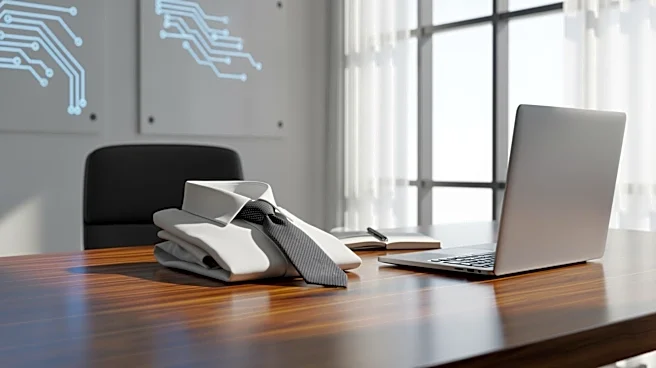
Crystal McDuffy, a marketing manager in New York, shares her experience of working in the tech industry where she chooses to dress more formally than her peers. Despite the generally lax dress code in tech, McDuffy believes that her polished appearance
has positively influenced her career trajectory. She attributes her success, including promotions and high performance ratings, to her professional attire, which she feels sets her apart in a field where casual dress is the norm. McDuffy's approach to dressing is influenced by her upbringing and her understanding of corporate culture, as well as her awareness of the different standards applied to Black women in professional settings.
Why It's Important?
McDuffy's story highlights the ongoing relevance of appearance in professional settings, even in industries known for their casual work environments like tech. Her experience suggests that dressing formally can be a strategic choice to convey competence and professionalism, potentially impacting career advancement. This narrative underscores the broader discussion about diversity and inclusion in the workplace, particularly how different standards can apply based on race and gender. For companies, this raises important considerations about how dress codes and cultural norms can affect employee perceptions and opportunities.
What's Next?
As McDuffy continues her career, she plans to maintain her polished appearance while becoming more relaxed about her presentation as she establishes her reputation. Her story may inspire other professionals to consider how their attire influences their career paths. Companies might also reflect on their dress code policies and the implicit messages they send about professionalism and competence. This could lead to broader discussions about inclusivity and the role of personal expression in the workplace.
Beyond the Headlines
McDuffy's experience also touches on the cultural dimensions of workplace attire, particularly how it intersects with identity and self-expression. Her story raises questions about the balance between conforming to professional norms and maintaining personal style. It also highlights the potential for bias in how appearance is perceived and valued in professional settings, prompting a reevaluation of what constitutes 'professional' attire and how it can be more inclusive.