






What's Happening?
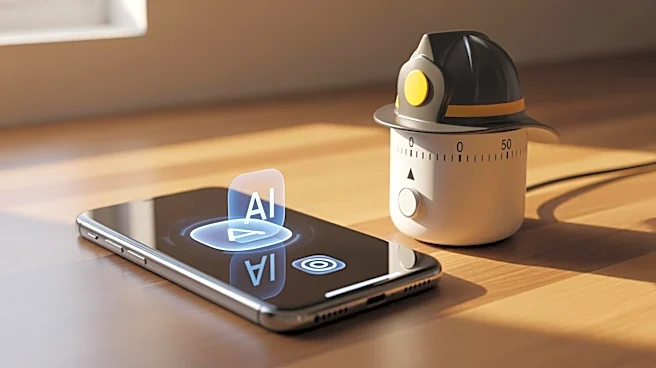
Joe Poynton, a firefighter with no prior coding experience, has developed an app to optimize grocery shopping. Frustrated by the inefficiency of doubling back for forgotten items, Poynton utilized AI tools to create an app that learns the layout of grocery stores
based on user navigation. This process, known as 'vibe coding,' allows individuals to create specific solutions without traditional programming skills. Poynton's app, now available on the Apple App Store, dynamically sorts shopping lists according to store layouts, improving with each use. Despite its niche appeal, the app has received positive feedback from users, including Poynton's family and online communities.
Why It's Important?
This development highlights the growing accessibility of technology and AI tools for non-experts. By enabling individuals like Poynton to create practical solutions to everyday problems, AI democratizes innovation and empowers users to address personal inefficiencies. This trend could lead to a surge in personalized applications, potentially disrupting traditional software development and encouraging a more user-driven approach to technology. The success of such apps could inspire others to explore AI-driven solutions, fostering creativity and problem-solving across various sectors.
What's Next?
As more individuals adopt vibe coding, there may be increased demand for AI tools that facilitate app development. Companies could respond by enhancing AI platforms to support a wider range of applications, potentially leading to a more diverse app ecosystem. Additionally, as these apps gain popularity, there may be a need for regulatory frameworks to ensure quality and security standards are maintained. Poynton's app, while not a commercial venture, could inspire similar projects, prompting tech companies to consider how they can support and monetize this emerging market.