






What's Happening?
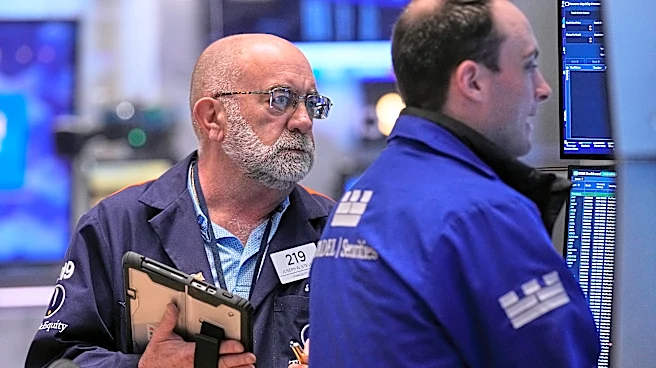
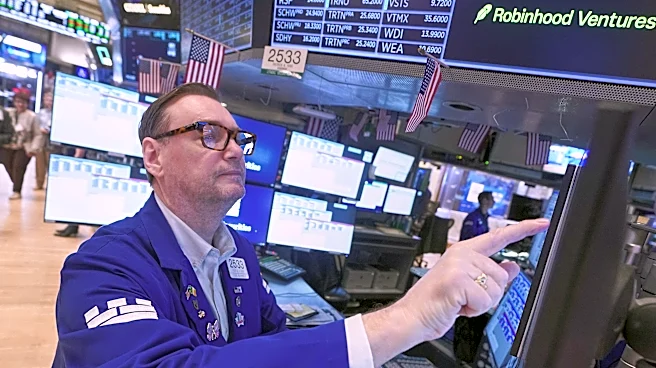
Concerns about insider trading have emerged in the oil futures market amid the ongoing Iran conflict. Reports indicate that significant bets in the oil market often precede major announcements by President Trump regarding the conflict, leading to substantial
profits for traders with advance information. The Kobeissi Letter highlighted a recent instance where $920 million worth of crude oil shorts were taken shortly before news of a potential U.S.-Iran deal was reported. This pattern of trading raises questions about the integrity of the market and the potential use of insider information.
Why It's Important?
The allegations of insider trading in the oil market have significant implications for market integrity and investor confidence. If traders are using inside information to make profitable bets, it undermines the fairness and transparency of the market. This could deter legitimate participants from engaging in futures trading, reducing the market's effectiveness in managing risk and stabilizing prices. The situation highlights the need for regulatory oversight and enforcement to ensure a level playing field for all market participants.
Beyond the Headlines
The broader implications of insider trading extend beyond the immediate financial gains. It reflects a culture of corruption and favoritism that can erode trust in economic institutions and governance. The perception of a rigged market can discourage investment and innovation, ultimately hindering economic growth. Addressing these issues requires a commitment to transparency, accountability, and the rule of law to maintain the integrity of financial markets.