



What's Happening?
The final office tower at the World Trade Center site in New York City is set to begin construction this spring, with American Express slated to become its primary tenant. This development marks a significant milestone nearly 25 years after the September
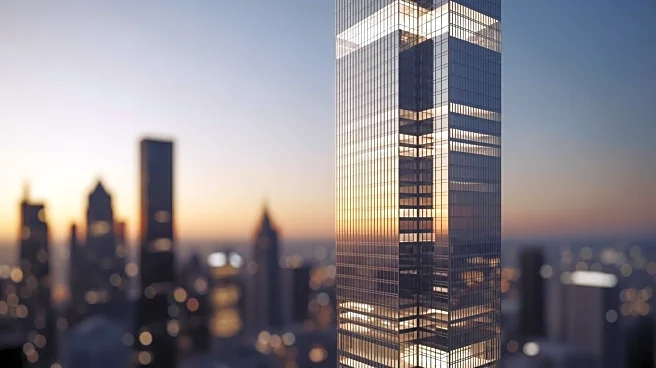
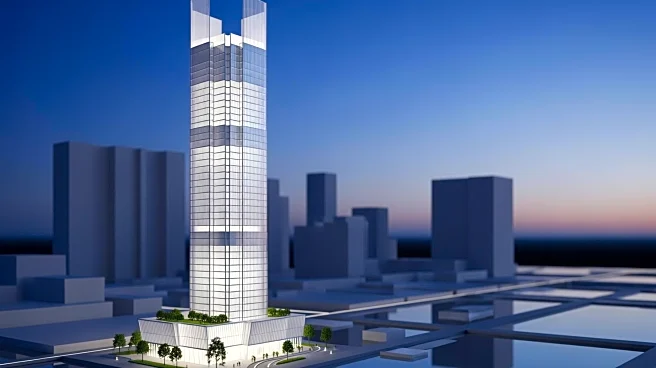
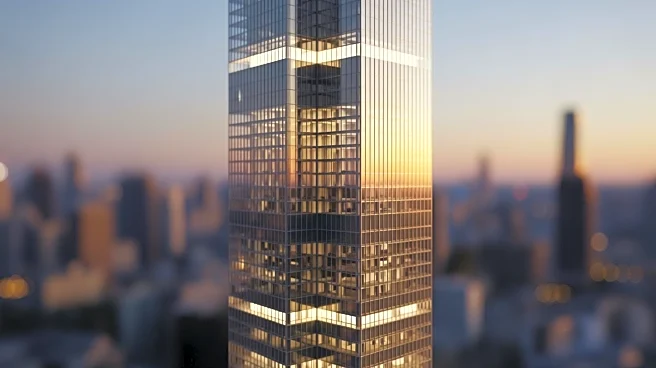
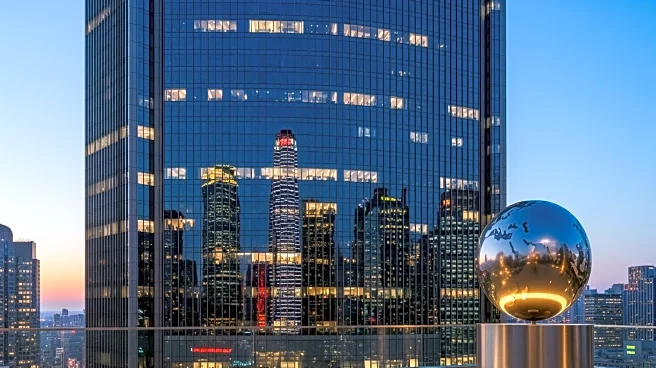
11 attacks that destroyed the original site. The 2 World Trade Center building will complete the redevelopment of the 16-acre property, which has been a complex and lengthy process involving engineering, financial, and political challenges. The new 55-story tower, designed by Norman Foster, will feature glassy sections with landscaped terraces and gardens, and is expected to accommodate up to 10,000 workers. American Express, which has been based in Lower Manhattan for nearly 200 years, will own the building and lease the land. The project is not receiving state, city, or Port Authority financing or incentives.
Why It's Important?
The construction of the 2 World Trade Center building is a symbolic and practical step in the ongoing renewal of the World Trade Center site, representing resilience and economic vitality in New York City. This project is expected to create thousands of union jobs and provide significant economic benefits to the area. It also underscores New York's status as a major business hub, especially as other states like Florida attempt to attract companies away from the city. For American Express, the new headquarters represents a long-term investment in its future and its commitment to the Lower Manhattan community. The completion of this tower will further solidify the World Trade Center site as a center of business and culture, following the construction of other significant structures like the 1 World Trade Center, the September 11 memorial and museum, and a performing arts center.
What's Next?
The construction of the 2 World Trade Center is expected to be completed by 2031. As the project progresses, it will likely face scrutiny and interest from various stakeholders, including local government officials, business leaders, and the public. The development may also influence future real estate and business decisions in Lower Manhattan, potentially attracting more companies to the area. Additionally, the project could serve as a model for other large-scale urban redevelopment efforts, particularly those involving complex historical and emotional contexts like the World Trade Center site.