
What's Happening?
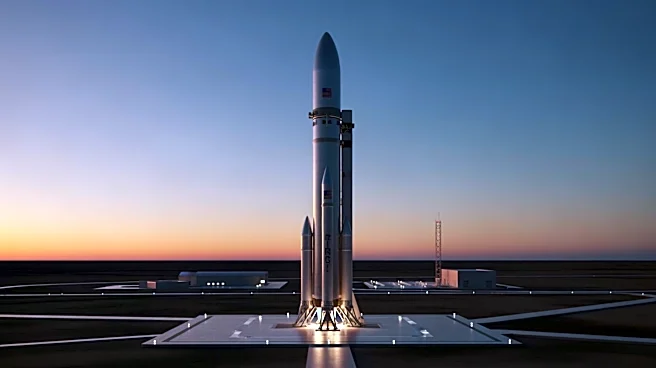
Elon Musk's SpaceX and Jeff Bezos's Blue Origin are intensifying their rivalry in the space industry, focusing on lunar missions and the potential for AI infrastructure in space. Both companies have been
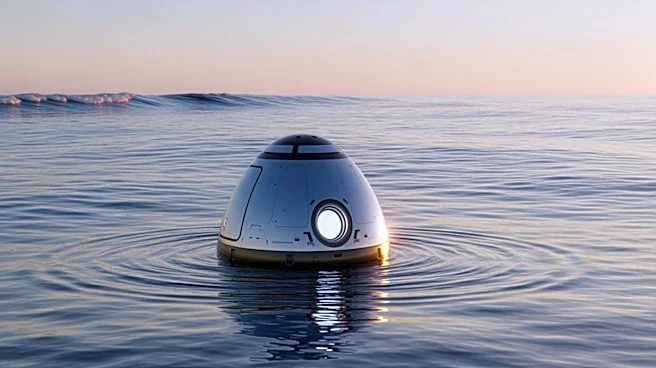
awarded contracts by NASA to develop lunar landers for the Artemis missions, aiming to land humans on the moon by the end of the decade. SpaceX's Human Landing System and Blue Origin's Blue Moon lander are both designed to be reusable, reducing future mission costs. Additionally, both companies are exploring the feasibility of space-based AI data centers, with SpaceX planning to launch up to 1 million satellites with AI capabilities and Blue Origin seeking permission to launch 52,000 similar satellites.
Why It's Important?
The competition between SpaceX and Blue Origin is not only about lunar exploration but also about establishing a foothold in the emerging market of space-based AI infrastructure. The ability to deploy AI data centers in orbit could revolutionize computing power and data processing capabilities, offering significant advantages in speed and efficiency. The outcome of this rivalry could determine the future of space exploration and AI technology, with implications for national security, scientific research, and commercial opportunities. The success of these lunar missions will also bolster U.S. leadership in space and potentially accelerate the timeline for human missions to Mars.
What's Next?
The next major milestone will be the Artemis III mission in 2027, which will test the docking capabilities of both SpaceX and Blue Origin's landers with NASA's Orion capsule. Successful tests will pave the way for the first crewed lunar landings in 2028. Both companies will continue to develop their technologies and infrastructure to support these missions. The race to establish AI data centers in space will also progress, with regulatory approvals and technological advancements being key factors in determining the feasibility and timeline of these projects.