

What's Happening?
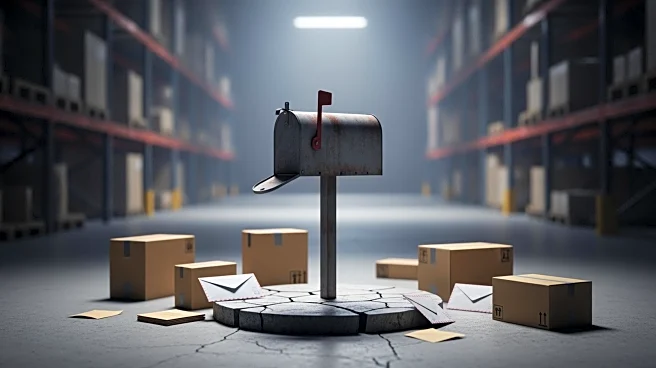
The U.S. Postal Service (USPS) is facing significant financial challenges, as highlighted by Postmaster General David Steiner during a testimony before the U.S. House Subcommittee on Government Operations. The USPS has experienced a dramatic decline in mail
volume, dropping from 213 billion pieces annually to 109 billion, resulting in an $81 billion income loss. Steiner emphasized the urgency of the situation, noting that the USPS's financial woes are not new but have reached a critical point. The service's financial difficulties are compounded by statutory constraints, including pricing limits and pension obligations. Proposed solutions include reducing delivery days, closing underperforming post offices, raising postage rates, and seeking regulatory changes. Additionally, the USPS has reached its $15 billion borrowing limit, further complicating its financial situation. The potential reduction in service and increased costs could impact the ecommerce industry, which relies heavily on USPS for affordable and widespread delivery services.
Why It's Important?
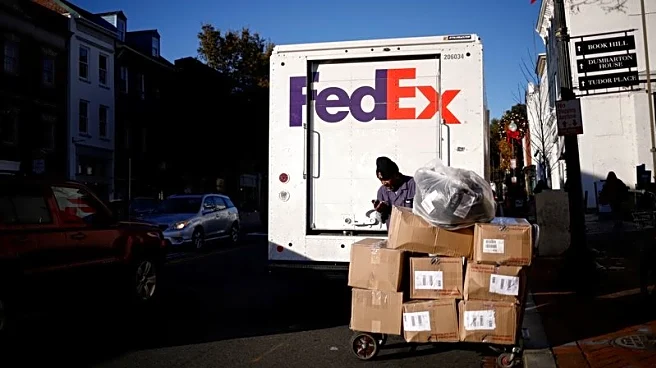
The financial instability of the USPS poses a significant threat to the ecommerce industry, which depends on the postal service for cost-effective shipping solutions. The USPS's ability to deliver to every address in the United States without surcharges makes it a crucial component of the ecommerce supply chain. Any reduction in service or increase in costs could lead to higher shipping expenses for merchants and consumers, potentially reducing the competitiveness of online retailers. Furthermore, private carriers like UPS and FedEx rely on USPS for 'last-mile' delivery services, meaning disruptions in USPS operations could have a ripple effect across the entire shipping industry. The situation underscores the need for urgent reforms to ensure the USPS can continue to fulfill its mandate and support the growing ecommerce sector.
What's Next?
The USPS is considering several measures to address its financial challenges, including reducing delivery days from six to five per week, closing underperforming post offices, and raising postage rates. These changes, however, require regulatory approval and could face opposition from stakeholders who rely on the USPS's current level of service. Additionally, the USPS's current agreement with Amazon, a major client, is set to expire in September, and negotiations for a new deal have stalled. The outcome of these negotiations could significantly impact the USPS's revenue and operational strategy. As Congress holds the authority to regulate the postal service, any substantial changes will likely require legislative action, making the future of the USPS a matter of public policy debate.