


What's Happening?
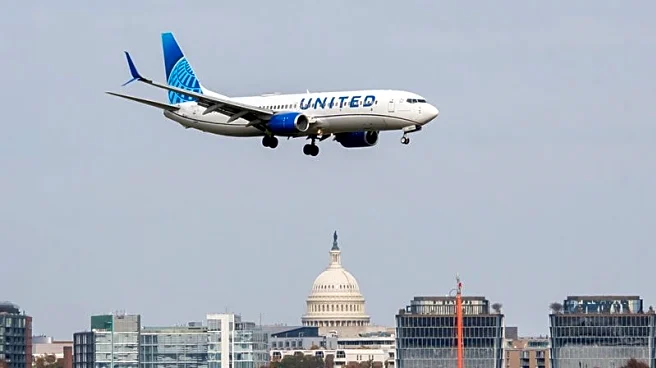
United Airlines has announced a reduction in its flight capacity by approximately 5% in response to soaring fuel prices linked to the ongoing conflict in Iran. The airline's CEO, Scott Kirby, communicated this decision in a staff memo, highlighting the significant
increase in jet fuel prices, which have more than doubled recently. United plans to cut less profitable routes, including off-peak flights and certain international services, while maintaining its long-term growth strategy. Despite the cuts, United continues to experience strong demand, with record revenue weeks recently. The airline intends to proceed with its planned aircraft deliveries, including new Boeing 787s, and aims to restore its full schedule by fall.
Why It's Important?
The decision by United Airlines to cut flights underscores the broader impact of geopolitical tensions on the aviation industry, particularly the financial strain caused by elevated fuel prices. This move could influence other U.S. carriers to consider similar actions, potentially affecting travel availability and pricing for consumers. The airline's strategy to manage costs without resorting to drastic measures like furloughs or delaying aircraft orders reflects a cautious approach to navigating economic challenges while maintaining growth. The situation highlights the vulnerability of the airline industry to external shocks and the need for strategic planning to mitigate financial risks.
What's Next?
United Airlines plans to monitor fuel price trends closely and adjust its operations accordingly. The airline's ability to restore its full schedule by fall will depend on the stabilization of fuel costs and the resolution of the Iran conflict. Other airlines may follow United's lead if fuel prices remain high, potentially leading to a broader industry shift in capacity management. Stakeholders, including passengers and industry analysts, will be watching for further announcements from United and other carriers regarding their operational strategies in response to ongoing economic pressures.