



What's Happening?
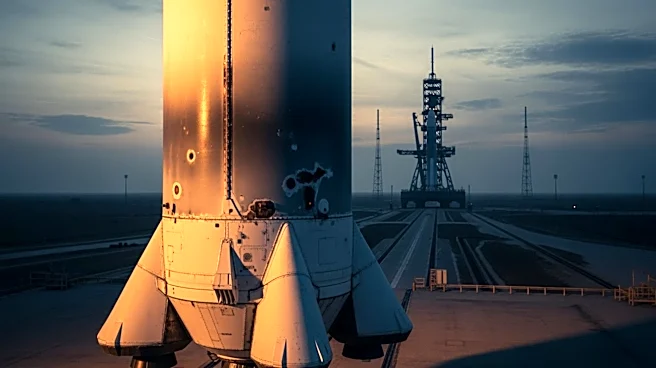
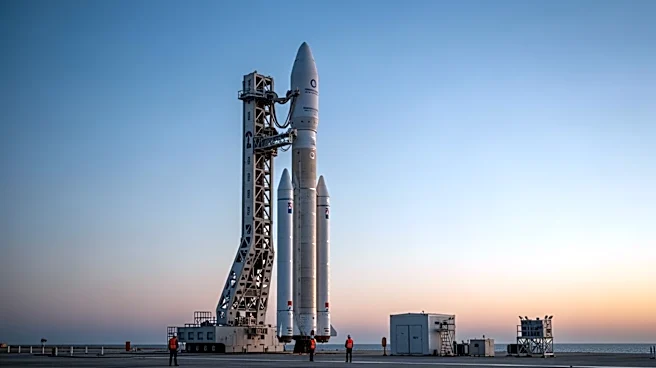
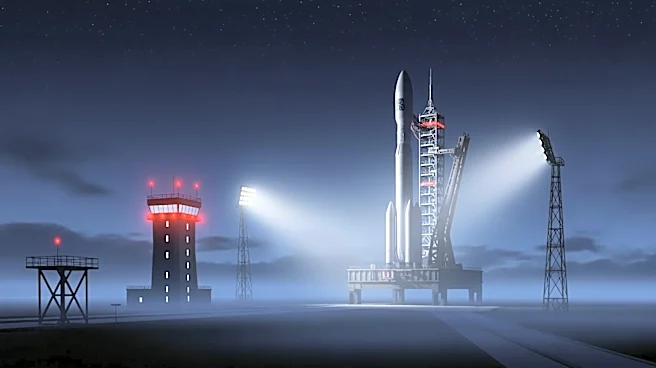
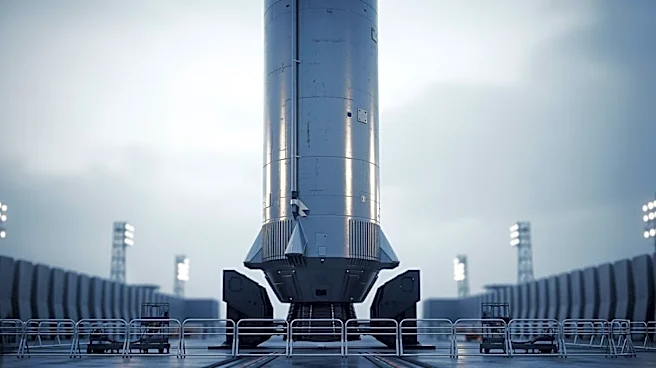
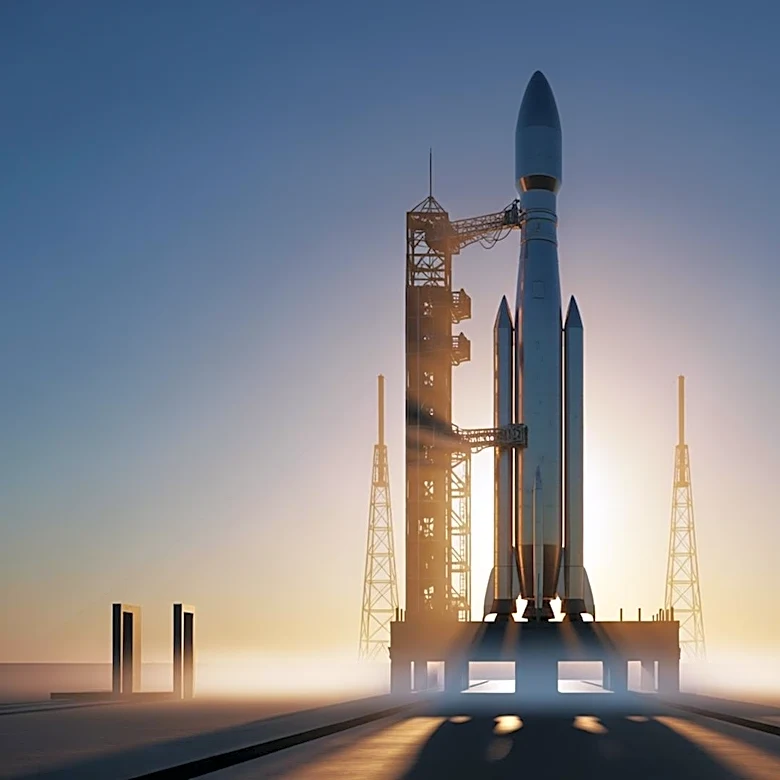
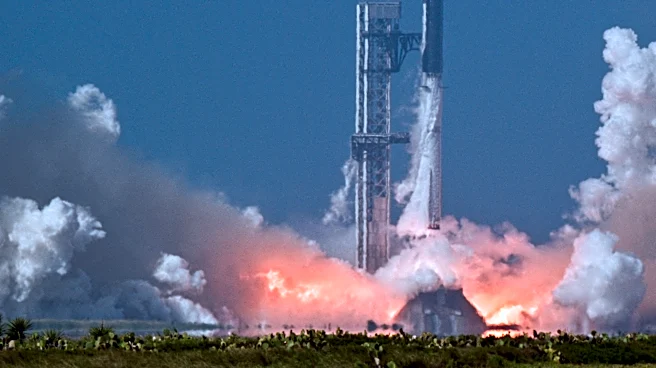
SpaceX successfully conducted its Starship Flight Test 12 at Starbase, Texas, marking the first full test of the upgraded V3 booster and upper stage. The test demonstrated critical capabilities such as hot staging, payload deployment, and the use of Raptor
3 engines. However, the Super Heavy booster experienced an anomaly during descent, leading to a crash into the Gulf of Mexico and triggering an FAA review. Despite this setback, the test achieved significant milestones, including the deployment of 22 modified Starlink test satellites.
Why It's Important?
The successful demonstration of the V3 booster and upper stage represents a major advancement in SpaceX's efforts to develop reusable heavy-lift launch systems. The ability to deploy payloads and perform complex maneuvers is crucial for future missions, including crewed spaceflights and satellite deployments. The booster anomaly highlights the challenges of developing cutting-edge aerospace technology, but also provides valuable data for improving future designs. The test underscores SpaceX's role in advancing U.S. leadership in commercial space exploration and innovation.
What's Next?
SpaceX will analyze the booster anomaly to identify the root cause and implement corrective measures. The FAA's review will determine any regulatory actions needed before future flights. SpaceX plans to continue its testing program, with the next flight potentially delayed by a few weeks. The company aims to refine its booster recovery techniques and further validate the V3 architecture, paving the way for more ambitious missions and increased launch frequency.