





What's Happening?
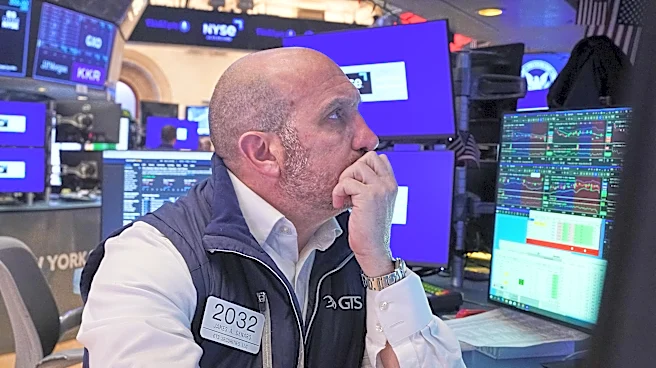
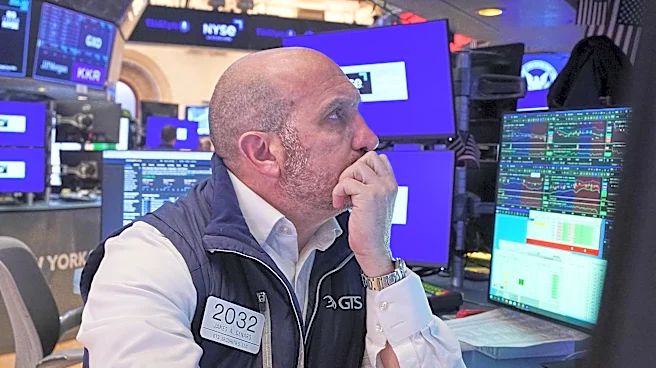
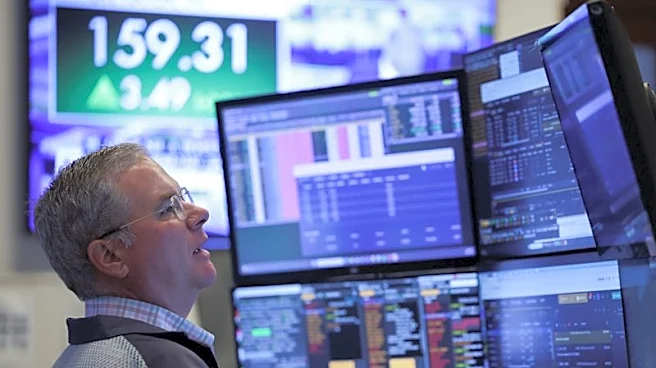
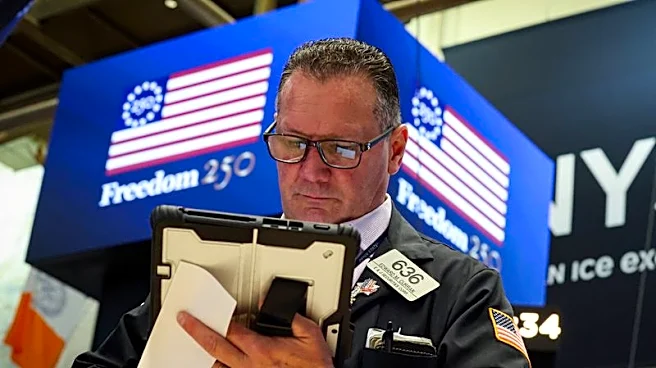
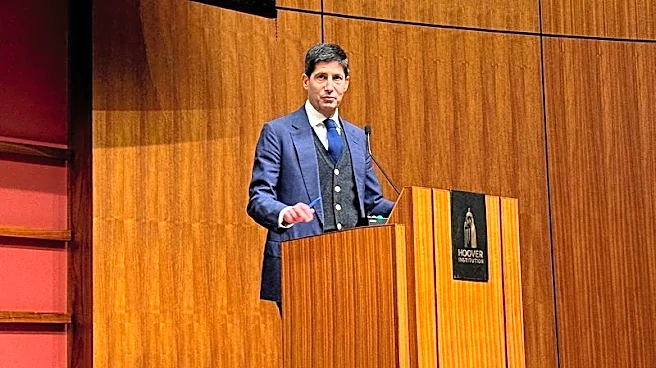
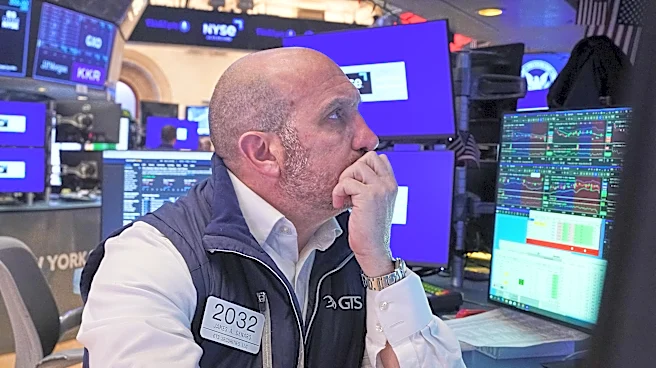
On April 21, 2026, U.S. stock markets experienced a decline as peace talks between the U.S. and Iran stalled, coinciding with the confirmation hearing of Federal Reserve chair nominee Kevin Warsh. The Dow Jones Industrial Average, S&P 500, and Nasdaq
Composite each fell by 0.6%. The decline was attributed to the uncertainty surrounding the potential extension of a ceasefire agreement with Iran, which was set to expire soon. Additionally, Vice President JD Vance's planned trip to Pakistan for peace talks was put on hold, further contributing to market volatility. During the Federal Reserve hearing, nominee Kevin Warsh denied any agreement with President Trump to lower interest rates in exchange for his appointment. Meanwhile, Apple Inc. saw a 2% drop in its stock price following the announcement that CEO Tim Cook would step down, with John Ternus set to succeed him.
Why It's Important?
The current market volatility highlights the sensitivity of financial markets to geopolitical tensions and changes in leadership within major corporations. The stalled peace talks between the U.S. and Iran could have significant implications for global oil prices and economic stability, affecting various sectors reliant on stable energy costs. The Federal Reserve's leadership transition is also crucial, as monetary policy decisions can influence inflation rates, borrowing costs, and overall economic growth. Apple's leadership change may impact its strategic direction and investor confidence, given its significant role in the technology sector. These developments underscore the interconnectedness of geopolitical events, corporate governance, and economic policy in shaping market dynamics.
What's Next?
The immediate focus will be on whether the U.S. and Iran can resume peace talks and extend the ceasefire, which could stabilize market conditions. Investors will also closely monitor the Federal Reserve's policy direction under new leadership, as any shifts could affect interest rates and economic growth. Apple's transition in leadership will be watched for potential changes in its innovation strategy and market performance. Stakeholders, including political leaders, businesses, and investors, will likely react to these developments, influencing future market trends and economic policies.