






What's Happening?
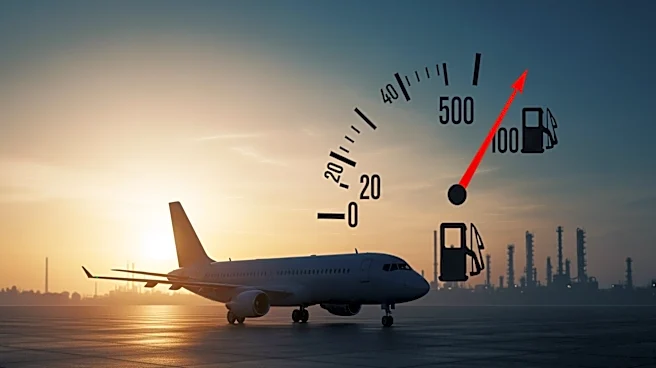
Spirit Airlines, known for its ultra-low-cost carrier model, has ceased operations as of May 2, 2026, following multiple failed restructuring attempts. The airline, which was infamous for its 'no-frills' approach, faced significant financial challenges,
including surging jet fuel prices linked to the Iran conflict. Spirit's business model involved cost-cutting measures such as operating a single aircraft type and negotiating favorable deals with smaller airports. Despite its reputation for poor service, Spirit maintained a strong safety record and was initially profitable. However, the COVID-19 pandemic severely impacted its revenue, leading to heavy debt and eventual bankruptcy filings. The federal government considered a bailout, but negotiations failed, and Spirit ultimately shut down.
Why It's Important?
The closure of Spirit Airlines marks a significant shift in the budget travel landscape. As a pioneer in the ultra-low-cost carrier sector, Spirit's exit could lead to higher fares for consumers, as major airlines may not feel the same pressure to offer competitive low-cost options. The Department of Justice's decision to block a merger with JetBlue, intended to preserve competition, is now being questioned as it may have delayed an inevitable outcome. Spirit's downfall highlights the vulnerabilities of the ULCC model, particularly its reliance on volatile fuel prices. The airline's closure also raises concerns about job losses for its employees and contractors.
What's Next?
With Spirit Airlines out of the picture, other ultra-low-cost carriers will need to reassess their business models to avoid similar pitfalls. There is potential for new low-cost models to emerge, such as Zipair Tokyo, which offers fair pricing and modern amenities. The industry may see increased competition among remaining budget airlines, and major carriers might adjust their pricing strategies. Additionally, there could be discussions on regulatory approaches to mergers and acquisitions in the airline industry, considering the impact of Spirit's closure on market competition and consumer choice.