








What's Happening?
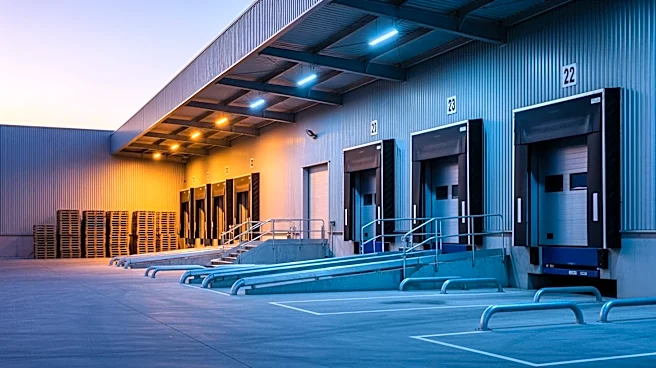
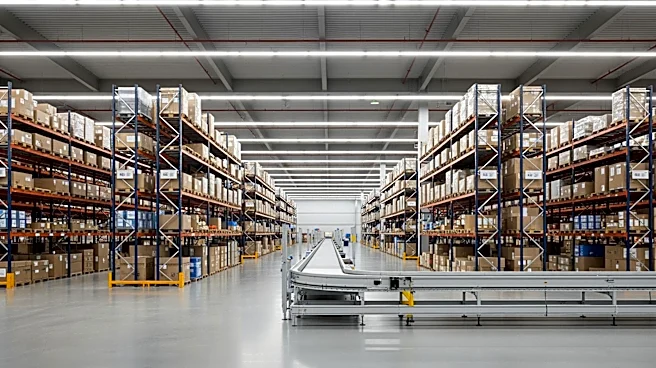
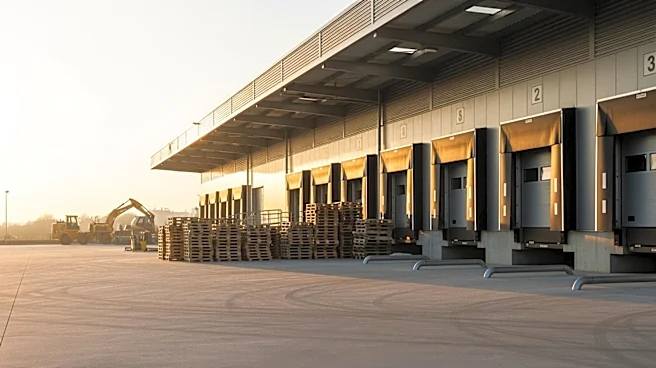
Nestle USA has inaugurated a new distribution center in Arvin, California, marking it as the company's largest and most technologically advanced facility. This 700,000-square-foot center is designed to enhance Nestle's distribution capabilities on the West
Coast, facilitating the delivery of products from various brands, including Toll House. The facility incorporates targeted automation to improve agility and resilience, particularly during peak demand periods. Additionally, it aims to source 100% of its electricity from renewable energy sources such as solar and wind power, and it is committed to achieving zero waste disposal by recycling, composting, and recovering energy from waste materials. Nestle has invested over $330 million in this center as part of a broader $25 billion investment in its U.S. operations over a decade, starting in 2020.
Why It's Important?
The opening of this advanced distribution center is a significant step for Nestle USA in modernizing its supply chain and enhancing its operational efficiency. By leveraging automation and renewable energy, the facility not only supports Nestle's sustainability goals but also positions the company to better meet consumer demand with greater speed and precision. This development underscores Nestle's long-term commitment to investing in the U.S. market, which is crucial for maintaining its competitive edge in the food and beverage industry. The facility's focus on sustainability and efficiency could set a benchmark for other companies in the sector, potentially influencing industry standards and practices.
What's Next?
Nestle USA is likely to continue its investment in modernizing its supply chain infrastructure across the country. The success of the Arvin facility could lead to similar projects in other regions, further enhancing the company's distribution network. Stakeholders, including consumers and environmental groups, may closely monitor the facility's performance in terms of sustainability and efficiency. Additionally, the company's commitment to renewable energy and zero waste could attract positive attention from investors focused on environmental, social, and governance (ESG) criteria.