
What's Happening?
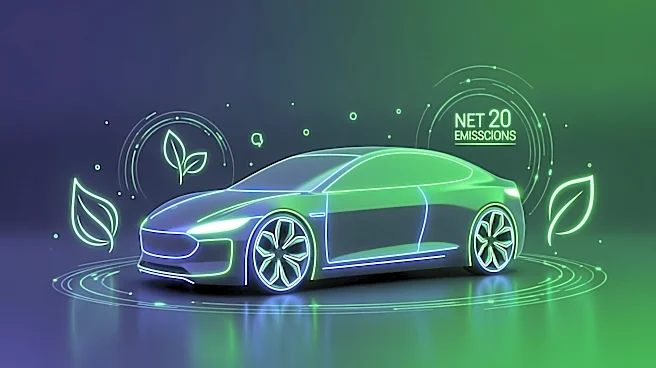
Polestar, a Swedish electric vehicle manufacturer, has announced a 31% reduction in emissions per vehicle sold since 2020, as part of its goal to produce a net zero car by 2035. The company attributes
this reduction to increased use of renewable energy in production and the adoption of low-carbon materials. Polestar is committed to resource efficiency and circular economy principles, focusing on sustainable materials and modular designs. The company has also introduced an internal carbon pricing method to guide procurement and design decisions, emphasizing its dedication to decarbonization.
Why It's Important?
Polestar's efforts to reduce emissions and pursue net zero goals reflect a growing trend in the automotive industry towards sustainability and environmental responsibility. By prioritizing renewable energy and sustainable materials, Polestar is setting a benchmark for other manufacturers to follow. This approach not only addresses environmental concerns but also enhances the brand's reputation as a leader in sustainable innovation. As consumers become more environmentally conscious, Polestar's commitment to sustainability could attract a broader customer base and influence industry standards.
Beyond the Headlines
Polestar's focus on circular economy principles and resource efficiency highlights the potential for long-term shifts in manufacturing practices. By adopting modular and mono-material designs, the company aims to facilitate high-value recovery and quality recycling, reducing environmental impact while maintaining vehicle value. This approach could lead to new business opportunities and partnerships within the automotive supply chain, promoting a more sustainable and resilient industry.