





What's Happening?
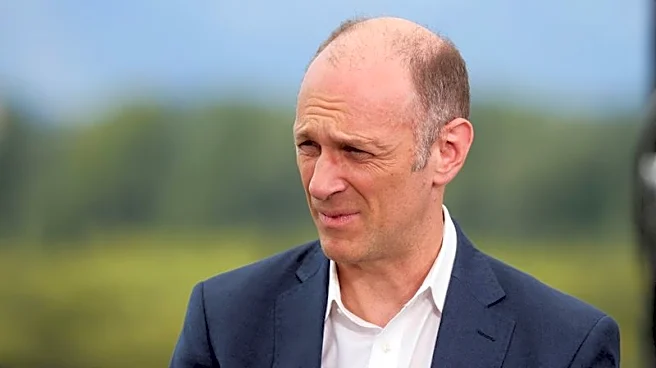
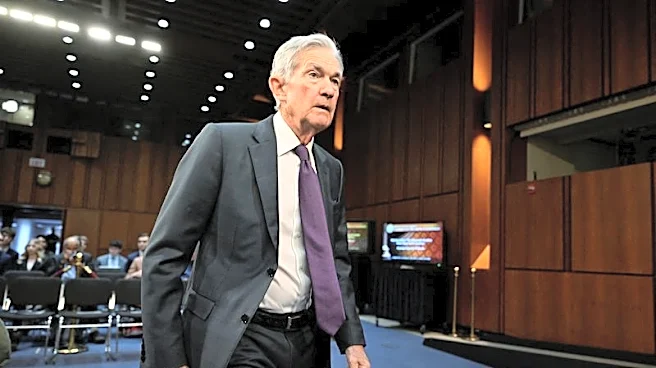
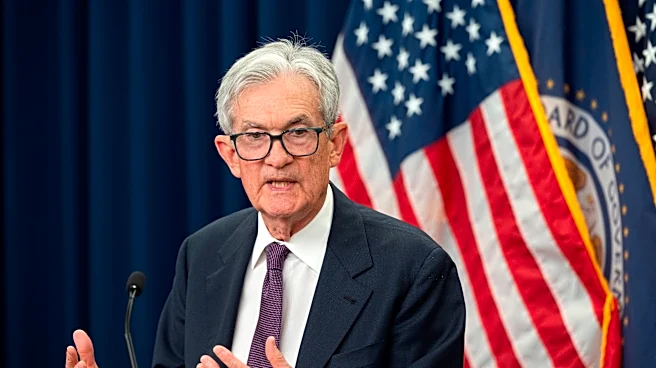
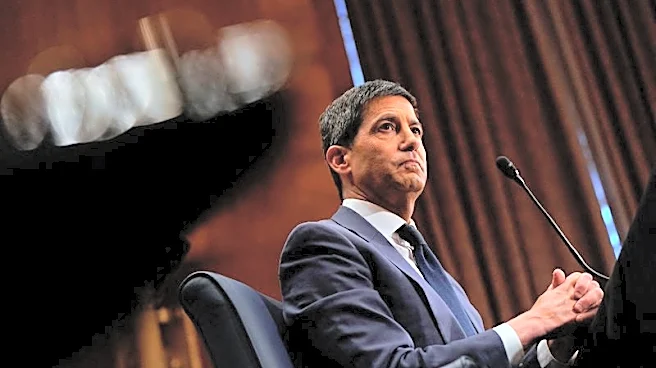
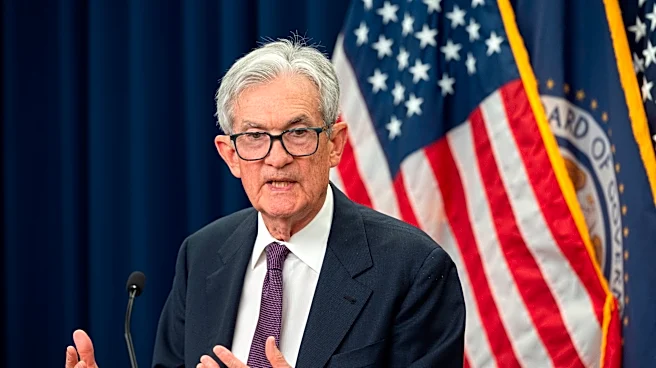
Kevin Warsh, nominated by President Trump to replace Jerome Powell as the Federal Reserve Chair, is advocating for a significant shift in the Federal Reserve's approach to inflation. Warsh criticizes the current Fed's handling of inflation under Powell,
arguing that the delay in responding to inflation peaks has damaged the institution's credibility. He emphasizes that inflation should be considered resolved only when it is no longer a topic of public concern. Warsh's approach suggests a more aggressive stance on inflation control, potentially tolerating slower economic growth or higher unemployment to achieve price stability. This marks a departure from Powell's strategy, which focused on gradual adjustments and maintaining employment support.
Why It's Important?
Warsh's potential leadership at the Federal Reserve could have significant implications for the U.S. economy. His focus on strict inflation control may lead to higher interest rates for a longer period, affecting borrowing costs for businesses and consumers. This shift could pressure growth stocks and increase Treasury yields, impacting investment strategies and market stability. The change in policy could also mean less emphasis on asset protection, which has been a cornerstone of the Fed's approach under Powell. This could lead to a reevaluation of market expectations and strategies that have relied on the Fed's support during market fluctuations.
What's Next?
If confirmed, Warsh's leadership could lead to a redefined role for the Federal Reserve, prioritizing inflation control over other economic objectives. This may result in policy changes that could affect various sectors, including finance and real estate, which are sensitive to interest rate fluctuations. The Senate Banking Committee has advanced Warsh's nomination, and a full Senate confirmation vote is expected soon. Stakeholders, including investors and policymakers, will be closely monitoring these developments to adjust their strategies accordingly.