



What's Happening?
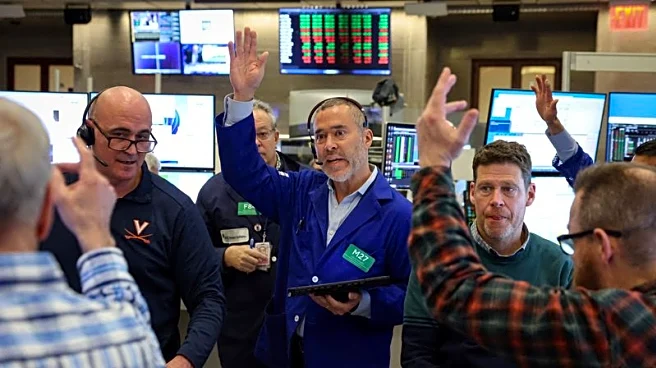
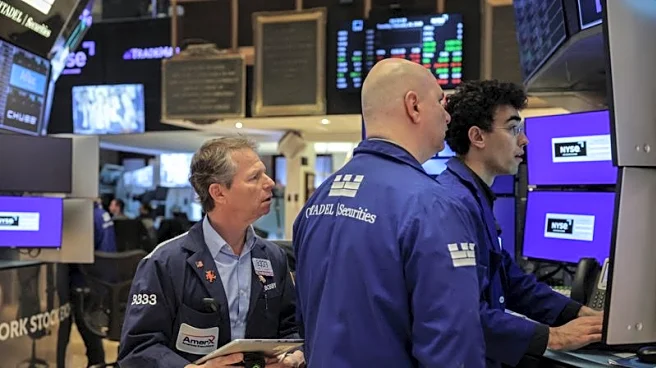
Recent concerns about the disruptive potential of artificial intelligence (AI) have led to significant market volatility, particularly affecting the tech sector. Investors are increasingly worried about the impact of AI on businesses and the broader economy,
prompting a reassessment of their exposure to AI-related investments. The tech sector has been hit hard, with software stocks experiencing a sell-off due to updates from companies like Anthropic and concerns about potential labor market disruptions. Despite strong earnings from Nvidia, investor sentiment remains cautious. Experts like John Belton, a portfolio manager at Gabelli, and Daniel Newman, CEO of Futurum, have noted the severity of the sell-off and the market's current state of uncertainty. Paul Meeks from Freedom Capital Markets has shifted his expectations from tech outperformance to anticipating the sector will lag behind the broader S&P 500.
Why It's Important?
The current market dynamics underscore the significant impact that AI-related fears can have on investor behavior and market stability. The tech sector, a major driver of economic growth, is particularly vulnerable to these shifts in sentiment. As AI continues to evolve, its potential to disrupt traditional business models and labor markets poses both opportunities and risks. Companies that successfully integrate AI technologies may gain a competitive edge, while those that fail to adapt could face significant challenges. The broader implications for the economy include potential shifts in employment patterns and the need for regulatory frameworks to address AI's impact. Investors and businesses must navigate these uncertainties to capitalize on AI's potential while mitigating associated risks.
What's Next?
Looking ahead, the market may continue to experience volatility as investors and businesses adjust to the evolving landscape of AI technology. The industrial and transport sectors are identified as areas that could be significantly impacted by advancements in physical AI, such as automated machinery and self-driving vehicles. This presents both opportunities for growth and threats to companies that do not adapt. Additionally, the ongoing market rotation into cyclical plays like consumer staples and industrials could expose investors to further disruption if AI drives major economic changes. The software sector, particularly companies without a strong data moat or those exposed to AI replacement, may face further declines before recovery.