





What's Happening?
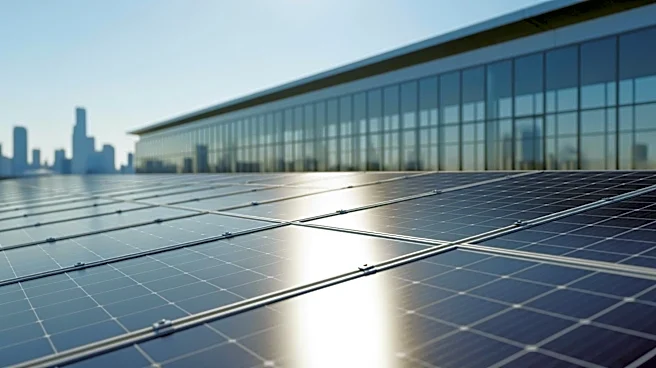
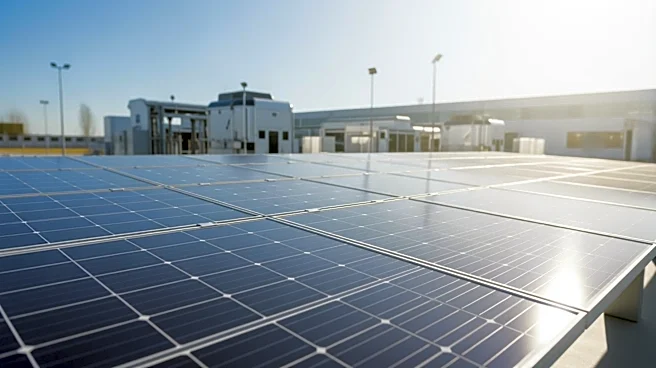
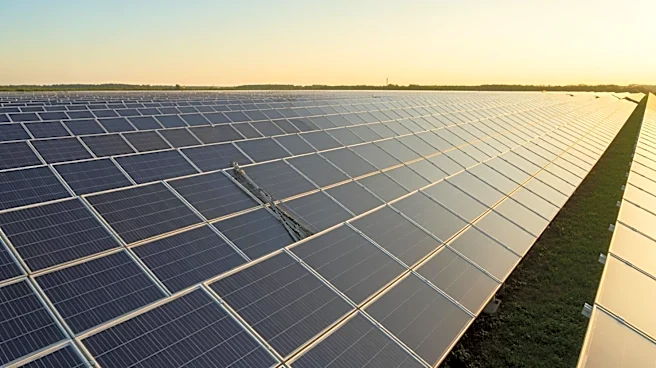
The United States has achieved a significant milestone in clean energy, with a cumulative capacity of 370 gigawatts (GW), enough to power approximately 80 million homes. This growth is driven by substantial increases in solar and wind power, with solar capacity alone
reaching 161.1 GW. Despite a decline in clean power installations compared to the previous year, the pipeline for future projects continues to expand, indicating a robust outlook for the sector. Texas is on the verge of becoming the first state to reach 100 GW of installed clean power capacity, highlighting regional leadership in renewable energy adoption.
Why It's Important?
The expansion of clean energy capacity in the U.S. represents a critical step towards reducing reliance on fossil fuels and addressing climate change. This growth supports energy security and economic resilience by diversifying the energy mix and reducing greenhouse gas emissions. The increase in renewable energy capacity also positions the U.S. as a leader in the global transition to sustainable energy, potentially influencing international energy policies and market dynamics. However, challenges such as project delays and regulatory hurdles must be addressed to sustain this momentum.
What's Next?
The clean energy sector is expected to continue its growth trajectory, with significant investments in solar and wind projects. Policymakers and industry leaders will need to address barriers to project implementation, such as permitting delays and supply chain issues, to ensure continued progress. As the sector evolves, there may be increased focus on integrating battery storage and other technologies to enhance grid reliability and efficiency. The ongoing development of clean energy infrastructure will likely drive further innovation and investment in the sector.