




What's Happening?
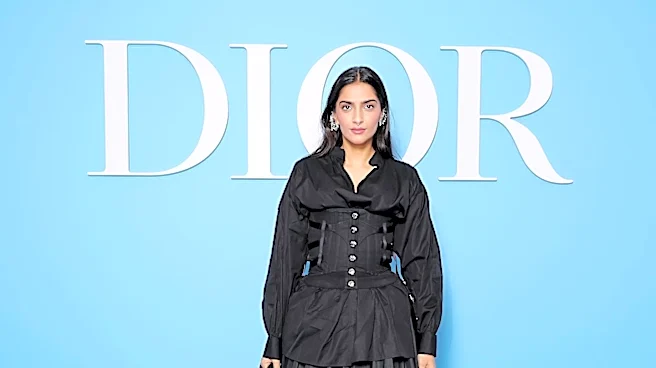
During Paris Fashion Week in March 2026, several designers showcased collections inspired by 18th-century fashion, highlighting a strategic shift in the luxury fashion sector. The collections, including those from Dior, Louis Vuitton, and Nina Ricci,
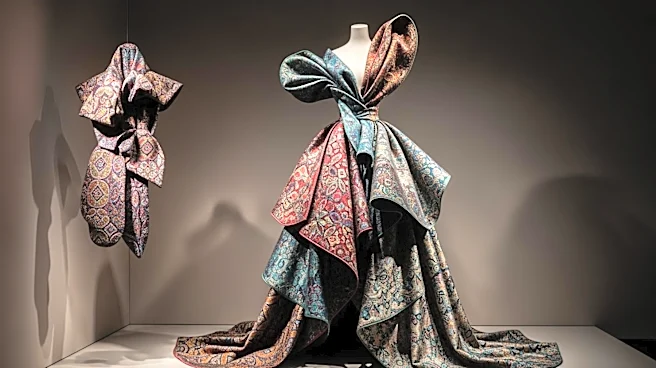
incorporate elements such as corsets, crinolines, and floral patterns, drawing on historical styles to create visual impact and differentiation in a saturated market. Exhibitions at Palais Galliera and other venues further explore the influence of 18th-century fashion, emphasizing its role in social representation and brand value. Designers like Cecilie Bahnsen and Stella McCartney reinterpret these historical elements, blending them with modern streetwear and technical fabrics to create contemporary looks.
Why It's Important?
The revival of 18th-century fashion codes in luxury collections reflects a strategic response to current challenges in the fashion industry, such as aesthetic saturation and the need for differentiation. By incorporating elaborate constructions and historical references, designers aim to enhance brand value and cultural legitimacy, appealing to consumers seeking unique and premium products. This trend also highlights the importance of craftsmanship and technology in creating distinctive fashion pieces that are difficult to replicate, thus maintaining exclusivity in a competitive market. The emphasis on visual impact and social representation aligns with the growing influence of social media in shaping fashion trends and consumer preferences.
What's Next?
As designers continue to explore historical influences, the fashion industry may see further integration of traditional elements with modern technology and materials. This could lead to new collaborations between fashion houses and cultural institutions, fostering innovation and creativity. The trend may also prompt discussions on the role of fashion in social representation and identity formation, influencing future design directions. Additionally, the focus on craftsmanship and premium strategies may drive investment in artisanal skills and sustainable practices, aligning with consumer demand for ethical and high-quality products.
Beyond the Headlines
The revival of 18th-century fashion codes raises questions about the cultural and ethical implications of using historical styles in contemporary fashion. It challenges designers to balance authenticity with innovation, ensuring that reinterpretations respect the original context while addressing modern consumer needs. This trend also highlights the potential for fashion to serve as a medium for storytelling and cultural exchange, connecting past and present through design. As fashion continues to evolve, it may increasingly draw on diverse historical influences, fostering a richer and more inclusive industry.