
What's Happening?
Federal Reserve officials are contemplating potential interest rate hikes in response to rising inflation concerns, exacerbated by the ongoing conflict in the Middle East. The New York Fed reported a jump
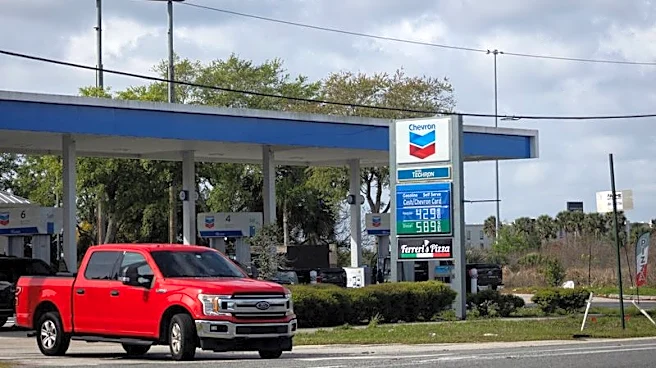
in underlying inflation dynamics to 4% in April from 3.5% in March. The Personal Consumption Expenditures Price Index also rose to 3.8% year-over-year in April. Kansas City Fed President Jeffrey Schmid expressed concerns about persistent inflation, while Philadelphia Fed President Anna Paulson noted the Fed's readiness to react to economic uncertainties. The conflict in Iran has led to energy price surges, complicating the Fed's monetary policy outlook.
Why It's Important?
The potential for interest rate hikes by the Federal Reserve is significant as it could impact borrowing costs, consumer spending, and overall economic growth. Persistent inflation above the Fed's 2% target poses challenges for maintaining economic stability. The energy price surge due to the Iran conflict adds complexity to the Fed's decision-making process. Financial markets are closely watching the Fed's next moves, as changes in interest rates can influence investment strategies and economic forecasts.
What's Next?
The Federal Reserve may consider adjusting its monetary policy tools, including interest rates and balance sheet strategies, to address inflationary pressures. The ongoing conflict in the Middle East and its impact on energy prices will likely continue to influence the Fed's decisions. Stakeholders, including businesses and consumers, will need to prepare for potential changes in borrowing costs and economic conditions.