
What's Happening?
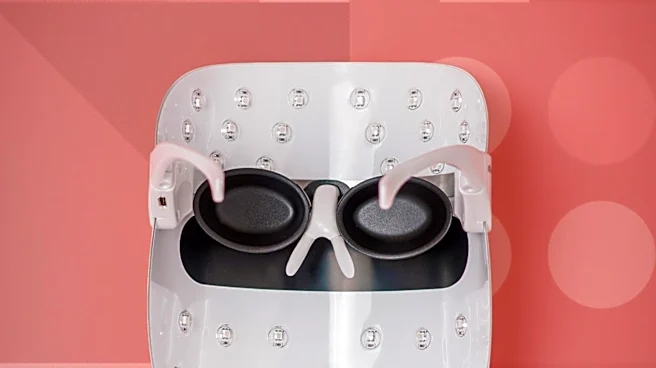
Red light therapy and saunas are gaining attention as potential wellness strategies, according to a CNN series featuring journalist Kara Swisher. Red light therapy involves using specific wavelengths of
light, which may improve cell performance and reduce inflammation. Dr. Zakia Rahman from Stanford University highlights its potential benefits for skin texture and hair growth, though more research is needed for other applications like chronic pain and neurological diseases. Saunas, another wellness trend, are linked to cardiovascular and cognitive health benefits. Dr. David Burke from Emory University suggests regular sauna use for improved well-being. Both therapies are not quick fixes but require consistent use over time.
Why It's Important?
The growing interest in red light therapy and saunas reflects a broader trend towards non-invasive wellness strategies. These methods offer potential health benefits without the need for pharmaceuticals or invasive procedures, appealing to those seeking natural health improvements. However, the efficacy and safety of these therapies require further scientific validation. The popularity of such treatments underscores a shift in consumer behavior towards holistic health practices, which could influence the wellness industry and healthcare approaches. As these therapies become more mainstream, they may drive demand for related products and services, impacting economic stakeholders in the wellness sector.
What's Next?
Further research is needed to establish standardized protocols for red light therapy, including optimal wavelengths and treatment durations. As scientific evidence grows, regulatory bodies like the FDA may provide clearer guidelines, influencing consumer confidence and market growth. The wellness industry may see increased investment in developing and marketing these therapies. Public health discussions could focus on integrating such non-invasive treatments into broader health strategies, potentially influencing healthcare policy. Stakeholders, including healthcare providers and wellness companies, will likely monitor developments closely to adapt to emerging trends and consumer demands.
Beyond the Headlines
The rise of red light therapy and saunas highlights ethical considerations regarding consumer protection and misinformation in the wellness industry. As these therapies gain popularity, ensuring accurate information and preventing exploitation by 'wellness grifters' becomes crucial. The trend also reflects cultural shifts towards self-care and preventive health, emphasizing lifestyle changes over medical interventions. Long-term, these developments could influence societal attitudes towards health and aging, promoting a more proactive approach to well-being. The balance between innovation and evidence-based practice will be key in shaping the future of wellness strategies.