




What's Happening?
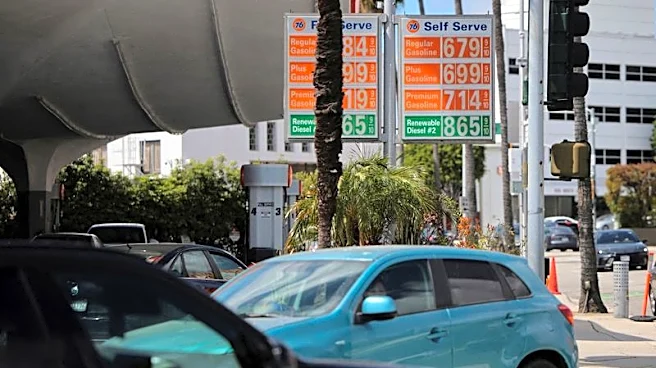
CBS News business analyst Jill Schlesinger has provided an analysis of how the recent ceasefire in Iran could affect the U.S. economy. The ceasefire, although temporary, is expected to bring some relief to Americans, particularly at the gas pump. Schlesinger discusses
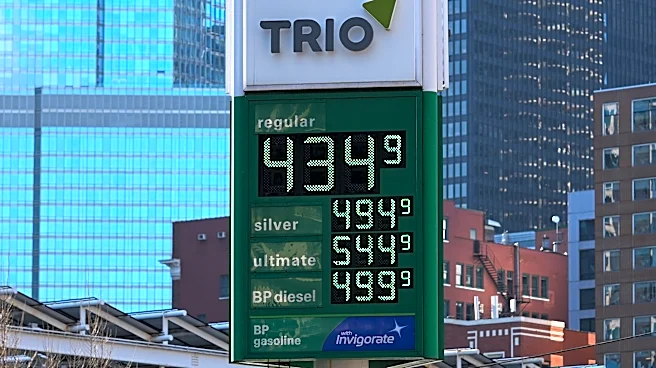
the potential for reduced oil prices, which could lead to lower gasoline costs for consumers. This development comes amid ongoing tensions in the Middle East, where geopolitical events often have significant impacts on global oil markets. The ceasefire is seen as a fragile but hopeful step towards stability in the region, which could positively influence consumer spending and economic conditions in the U.S.
Why It's Important?
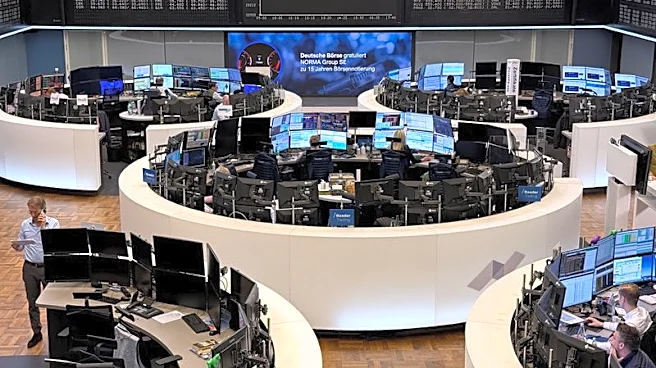
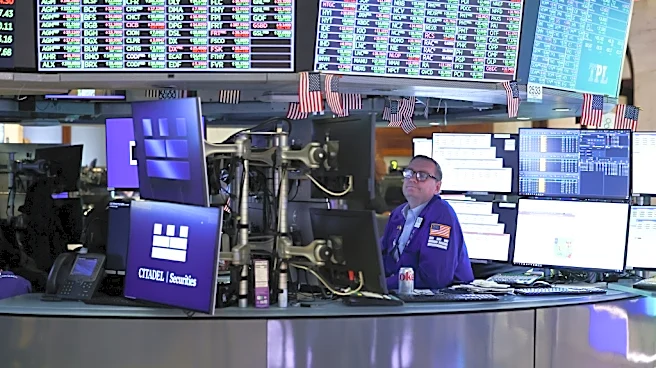
The ceasefire in Iran holds significant implications for the U.S. economy, primarily through its potential impact on oil prices. Lower oil prices can lead to reduced gasoline costs, which in turn can increase disposable income for American consumers. This increase in disposable income could boost consumer spending, a critical component of economic growth. Additionally, stability in the Middle East could reduce market volatility, providing a more predictable environment for businesses and investors. However, the temporary nature of the ceasefire means that these benefits could be short-lived if tensions resume.
What's Next?
The future of the ceasefire remains uncertain, and its continuation will be crucial in determining its long-term economic impact. Stakeholders, including government officials and business leaders, will likely monitor the situation closely. Any breakdown in the ceasefire could lead to renewed instability in oil markets, potentially reversing any economic gains. Conversely, a lasting peace could solidify the positive effects on the economy, encouraging further investment and growth.