




What's Happening?
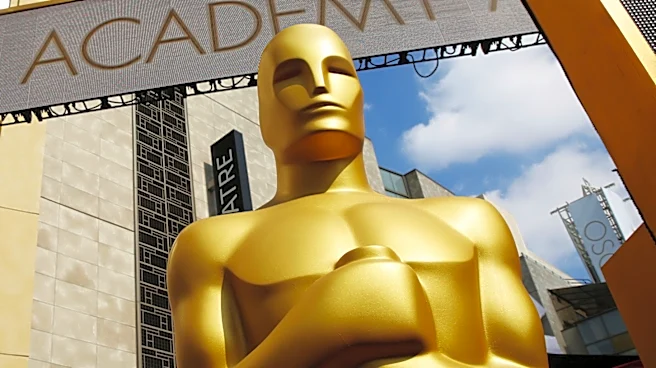
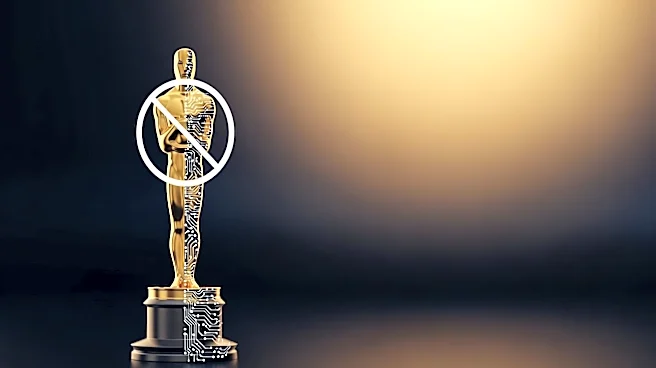
The Academy of Motion Picture Arts and Sciences has introduced new rules for the Oscars, explicitly excluding artificial intelligence (AI) performers from eligibility for acting awards. The updated guidelines stipulate that only performances 'demonstrably
performed by humans with their consent' will qualify for acting categories. This decision comes in response to the emergence of AI-generated actors, such as the digital recreation of Val Kilmer and the debut of AI 'actress' Tilly Norwood, which sparked controversy within the industry. Additionally, the Academy has mandated that screenplays must be entirely human-authored to be eligible for writing categories, although AI tools can still be used in the filmmaking process. The changes also affect the International Feature Film category, allowing films to qualify through major festival wins and crediting the director on the statuette plaque. Furthermore, actors can now receive multiple nominations in the same category for different roles, a change that will take effect at the 99th Academy Awards in March 2027.
Why It's Important?
These changes reflect the Academy's response to the growing influence of AI in the film industry, particularly following the 2023 Hollywood labor strikes where generative AI was a significant concern. By excluding AI-generated performances and mandating human authorship for screenplays, the Academy aims to preserve the integrity and creativity of human artistry in filmmaking. This move could impact filmmakers and studios that have been exploring AI technologies, potentially limiting their creative options. The new rules for the International Feature Film category could democratize the nomination process, allowing more diverse and critical works to gain recognition, especially from countries with restrictive national bodies. The ability for actors to receive multiple nominations in the same category could also lead to increased competition and recognition for versatile performers.
What's Next?
As the industry adapts to these new rules, filmmakers and studios may need to reassess their use of AI in production to ensure compliance with the Academy's guidelines. The changes could prompt discussions and debates within the industry about the role of AI in creative processes and the definition of authorship. The upcoming 99th Academy Awards will be the first to implement these rules, potentially setting a precedent for future awards and influencing industry standards. Stakeholders, including actors' unions and filmmakers, may continue to advocate for or against these changes, shaping the future landscape of film production and recognition.