







What's Happening?
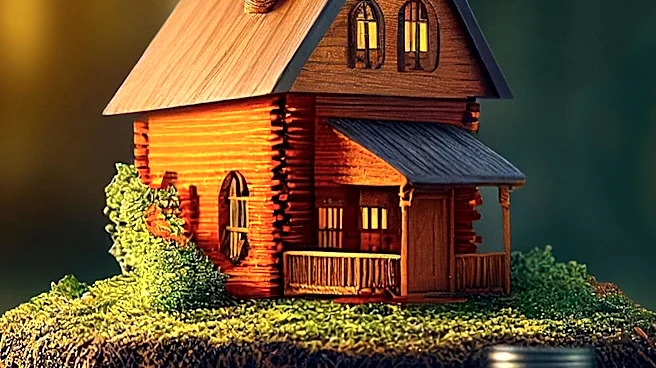
A couple in Jefferson Parish, near New Orleans, purchased a 527-square-foot tiny house for $37,500 over a decade ago, which has allowed them to live debt-free. Initially, the house required significant renovations, including updates to the plumbing and
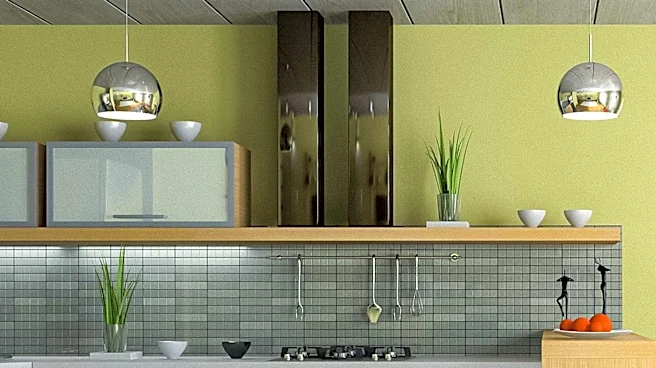
electrical systems, and the layout was not ideal. The couple, known as the Rusts, managed to secure a loan through a family member, as banks typically do not finance loans under $50,000. They repaid the loan within three months and undertook the necessary renovations themselves, with some assistance from family. Over time, they transformed the house into a more functional space by combining the kitchen and living area into an open-concept design and relocating the bedroom and bathroom. The Rusts have embraced a rustic aesthetic, using secondhand finds and creative furniture solutions to maximize their small living space.
Why It's Important?
The Rusts' experience highlights the growing trend of tiny house living as a viable solution for achieving financial independence and reducing living costs. By opting for a smaller, more affordable home, they have avoided the burden of a traditional mortgage, allowing them to live debt-free. This approach is particularly appealing in the current economic climate, where housing affordability is a significant concern for many Americans. The couple's story also underscores the potential for creative and sustainable living solutions, as they have utilized secondhand materials and personal craftsmanship to enhance their home. This trend could inspire others to consider alternative housing options that prioritize financial stability and environmental consciousness.
What's Next?
As the tiny house movement continues to gain traction, it is likely that more individuals and families will explore this lifestyle as a means to achieve financial freedom. The Rusts' success may encourage others to consider similar housing solutions, particularly in areas where housing costs are prohibitive. Additionally, the growing interest in sustainable and minimalist living could lead to increased demand for tiny homes and related services, potentially influencing housing markets and urban planning policies. The Rusts' story may also prompt discussions about the need for more flexible financing options for small-scale housing projects.
Beyond the Headlines
The Rusts' journey reflects broader cultural shifts towards minimalism and sustainability. Their choice to live in a tiny house aligns with a growing awareness of environmental issues and the desire to reduce one's carbon footprint. By repurposing materials and focusing on functionality, they have created a home that is both economical and environmentally friendly. This lifestyle choice challenges traditional notions of success and homeownership, emphasizing the value of experiences and financial security over material possessions. As more people embrace this mindset, it could lead to significant changes in consumer behavior and housing market dynamics.