



What's Happening?
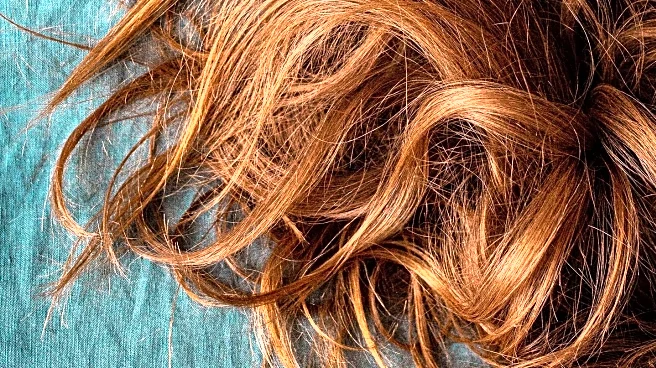
Chemotherapy-induced hair loss presents significant emotional challenges for cancer patients, particularly women. Many patients consider hair loss the most distressing side effect of chemotherapy, with some even opting out of treatment to avoid it. The loss of hair can drastically alter a patient's appearance, impacting their identity and how they are perceived by others. Some patients, like comedian Molly Ruben-Long, have embraced changes by experimenting with hairstyles before losing their hair entirely. Others, like journalist Kelly Davis, have used cold capping to minimize hair loss, despite the discomfort involved.
Why It's Important?
Hair loss during chemotherapy is more than a cosmetic issue; it affects patients' mental health and self-identity. The visibility
of hair loss can lead to unwanted attention and reduce patients to their illness, impacting their social interactions and self-esteem. Addressing this issue is crucial for providing comprehensive cancer care that considers both physical and emotional well-being. The development and availability of scalp cooling caps offer patients a choice in managing hair loss, highlighting the need for supportive care options that respect individual preferences and improve quality of life during treatment.
Beyond the Headlines
The emotional impact of hair loss during chemotherapy raises broader questions about how society perceives illness and the importance of maintaining personal identity during medical treatment. It also highlights the need for healthcare providers to offer empathetic support and options that address the psychological aspects of cancer care. As awareness grows, there may be increased advocacy for insurance coverage of scalp cooling treatments and other supportive care measures, ensuring that all patients have access to comprehensive care that respects their dignity and personal choices.