

What's Happening?
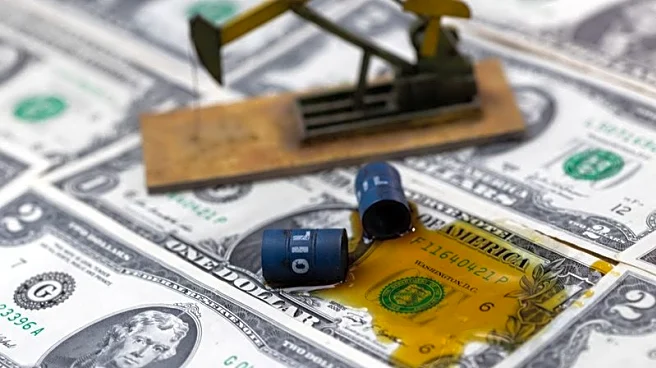
The Federal Reserve has decided to keep interest rates unchanged, marking the second consecutive meeting where rates have been held steady. This decision comes amidst rising tensions due to the ongoing war in Iran, which has led to increased oil prices
and potential inflationary pressures. The Fed's decision reflects a cautious approach as it navigates the dual challenges of potential inflation from rising energy costs and economic uncertainty that could slow growth. The Fed's statement highlighted the uncertain implications of Middle Eastern developments on the U.S. economy. Despite President Trump's calls for rate cuts, the Fed has opted for a wait-and-see approach, with only one official dissenting in favor of a rate cut. The central bank's policies significantly impact consumer and business loan costs, and investors are closely monitoring for any indications of future rate changes.
Why It's Important?
The Fed's decision to hold interest rates steady is significant as it reflects the central bank's cautious stance in balancing inflation risks with economic growth concerns. Rising oil prices due to the Iran conflict could lead to higher inflation, complicating the Fed's efforts to maintain stable prices. At the same time, economic uncertainty could dampen growth and increase unemployment, challenging the Fed's dual mandate of stable inflation and full employment. The decision also highlights the political pressures faced by the Fed, with President Trump advocating for rate cuts to stimulate the economy. The Fed's actions will have broad implications for the U.S. economy, affecting everything from mortgage rates to consumer spending.
What's Next?
Looking ahead, the Fed is likely to continue its cautious approach, monitoring economic indicators closely before making any further rate adjustments. Chair Jerome Powell's upcoming news conference will be scrutinized for insights into the Fed's future policy direction. The ongoing conflict in Iran and its impact on oil prices will remain a key factor influencing the Fed's decisions. Additionally, political dynamics, including President Trump's pressure on the Fed and the nomination of Kevin Warsh to replace Powell, could influence future monetary policy. The Fed's ability to navigate these challenges will be crucial in maintaining economic stability.