



What's Happening?
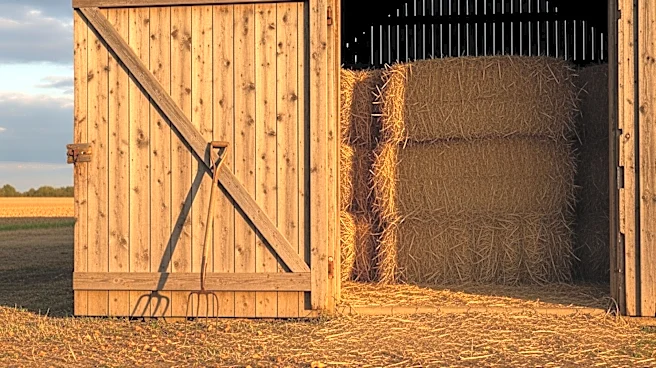
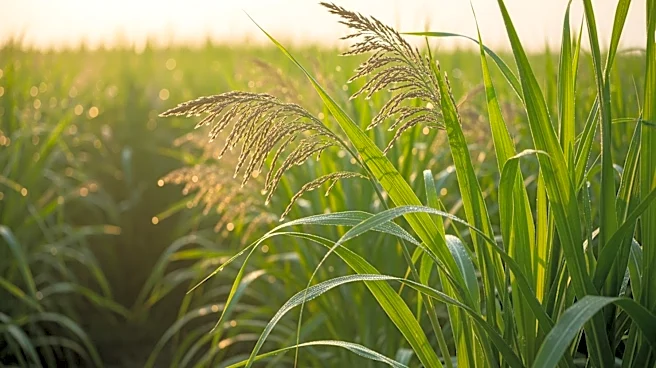
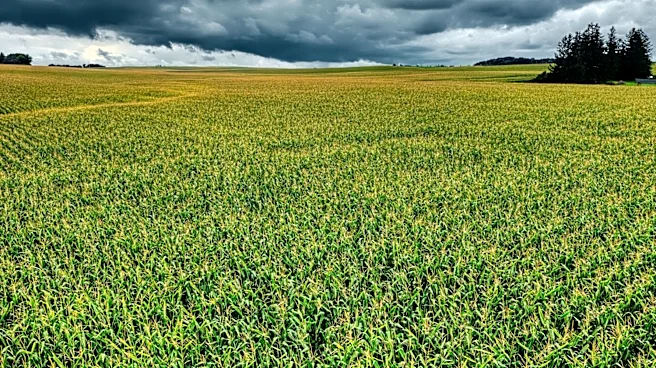
As the hay season begins, farmers are being advised to assess their fields and plan for potential shortages or surpluses. Mixed results are being reported across hayfields, with some areas showing promise while others face challenges. The past few years
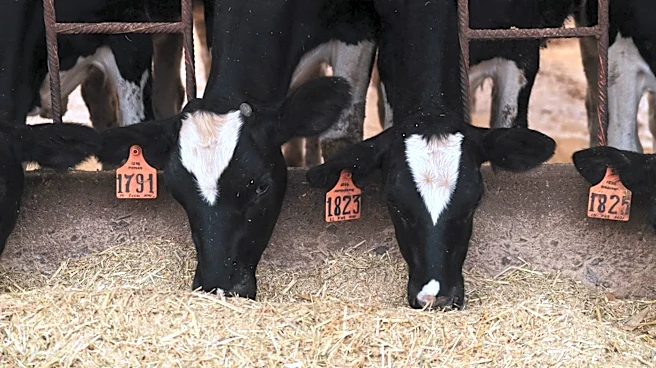
have seen adverse weather conditions, including droughts and wet periods, impacting hay production. Farmers are encouraged to evaluate their current hay supplies and consider various strategies to manage shortages, such as buying additional hay, selling livestock, or utilizing alternative grazing methods. Soil fertility is also highlighted as a critical factor, with recommendations to conduct soil tests if not done in the past three years. For those with surplus hay, options include selling it, expanding livestock operations, or grazing hayfields to reduce costs.
Why It's Important?
The planning and management of hay supplies are crucial for farmers to maintain livestock health and economic stability. Weather-related challenges have made hay production unpredictable, affecting the availability and cost of feed. By proactively managing their hay resources, farmers can mitigate the risks associated with shortages and capitalize on surplus opportunities. This approach not only supports individual farm operations but also contributes to the broader agricultural economy by stabilizing feed supplies and prices. Additionally, understanding soil fertility and hay quality can lead to more efficient and sustainable farming practices, ultimately benefiting the agricultural sector as a whole.
What's Next?
Farmers are encouraged to contact local Extension offices for guidance on managing hay supplies and exploring alternative strategies. Soil testing and hay quality analysis are recommended to optimize production and ensure nutritional adequacy for livestock. As the season progresses, farmers will need to monitor weather conditions and market trends to make informed decisions about hay management. Collaboration with agricultural experts and peers can provide valuable insights and support in navigating the challenges of the hay season.