
What's Happening?
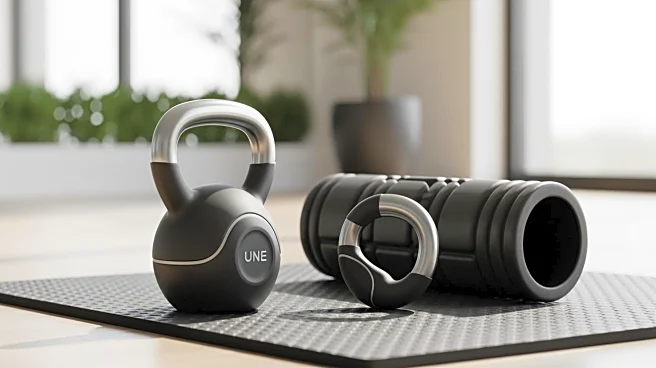
Cristiano Ronaldo, the renowned Portuguese footballer, continues to maintain an exceptional level of physical fitness at the age of 41. Despite his age, Ronaldo remains a formidable presence on the field, largely due to his disciplined approach to training, nutrition, and recovery. According to recent data, Ronaldo's biological age is estimated to be 28.9, a testament to his rigorous fitness routine. His training regimen includes a mix of exercises such as leg extensions, hamstring curls, and plyometrics, which contribute to his explosive power and agility. Additionally, Ronaldo places significant emphasis on recovery, utilizing methods like cryotherapy, compression therapy, and ice baths to ensure his body remains in peak condition. His diet
is carefully managed, focusing on protein-rich meals and frequent, smaller meals to sustain energy levels throughout his training sessions.
Why It's Important?
Ronaldo's commitment to maintaining his physical condition highlights the importance of a holistic approach to athlete longevity. His methods underscore the critical role of recovery in athletic performance, suggesting that proper rest and recuperation are as vital as the training itself. This approach not only extends an athlete's career but also enhances performance, setting a benchmark for aspiring athletes and sports professionals. Ronaldo's regimen serves as a model for integrating advanced recovery techniques and disciplined nutrition into sports training, potentially influencing training programs across various sports disciplines. His continued success at an advanced age challenges conventional expectations about the athletic lifespan, offering insights into how athletes can sustain high performance levels over time.
What's Next?
As Ronaldo continues to play at a high level, his training and recovery practices may inspire further research into sports science, particularly in the areas of recovery and longevity. Sports teams and trainers might adopt similar methods to enhance the performance and career longevity of their athletes. Additionally, Ronaldo's influence could lead to increased interest in personalized fitness and recovery programs, encouraging individuals to adopt more comprehensive approaches to health and fitness. His ongoing career will likely continue to attract attention, potentially leading to new endorsements and opportunities to share his fitness philosophy with a broader audience.