






What's Happening?
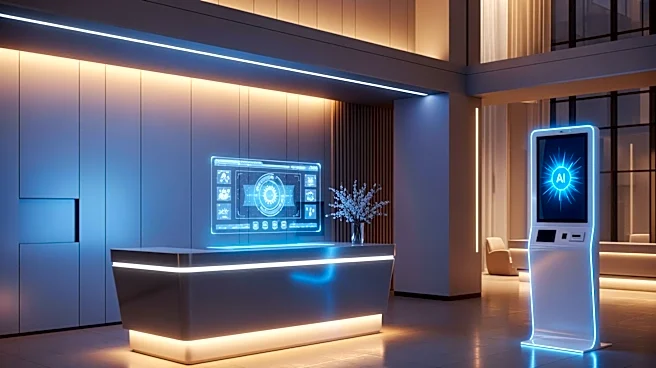
The hospitality industry is witnessing a shift as AI moves from chat-based interactions to workflow integration with digital employees. These digital employees are designed to execute full workflows within hotel systems, from reservations to follow-ups,
without human intervention. This development requires significant data integration and governance work. Meanwhile, Hilton has announced the addition of over 400 hotels across the Americas in 2025, reflecting a strong pace of brand and conversion activity. The expansion is part of a broader trend where major hotel chains are focusing on luxury and lifestyle offerings, while smaller groups emphasize distinctive positioning.
Why It's Important?
The integration of AI in hospitality represents a significant advancement in operational efficiency and guest experience. By moving beyond chatbots to digital employees, hotels can streamline processes and maintain control over guest relationships and data. This shift is crucial for maintaining competitiveness in a rapidly evolving industry. Hilton's expansion highlights the growing demand for luxury and lifestyle accommodations, with major brands leveraging conversions and franchise signings to grow faster than the overall supply. This trend underscores the importance of strategic positioning and brand differentiation in the hospitality sector.
What's Next?
As AI continues to evolve, hotels will need to invest in data integration and governance to fully leverage the capabilities of digital employees. The focus will be on maintaining a balance between automation and human oversight to ensure a seamless guest experience. Hilton's expansion strategy suggests that other major hotel chains may follow suit, emphasizing conversions and franchise signings to capitalize on market opportunities. The hospitality industry will likely see increased competition as brands strive to differentiate themselves through unique offerings and enhanced guest experiences.