
What's Happening?
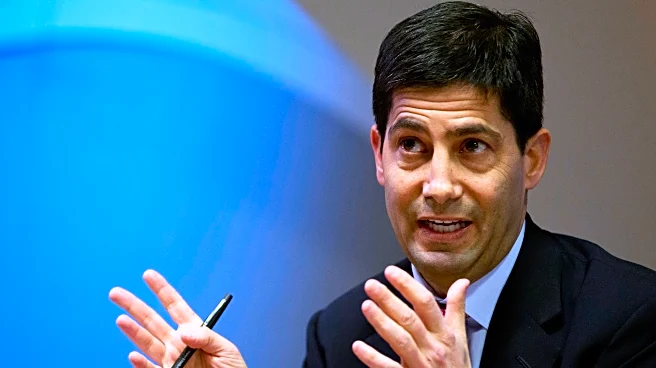
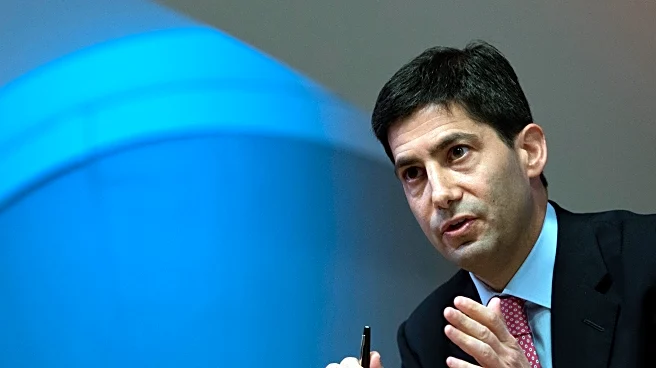
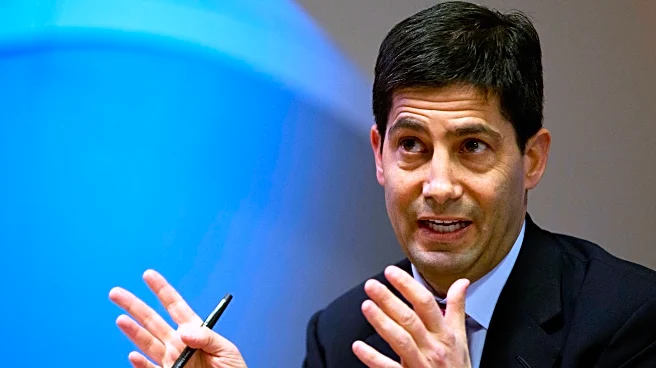
President Trump has nominated Kevin Warsh to succeed Jerome Powell as the Chair of the Federal Reserve. Warsh, a former Fed governor, is known for his critical views on the central bank's handling of inflation
and its political independence. His nomination suggests a potential shift in monetary policy, with a focus on reducing interest rates to stimulate economic growth. Warsh's approach aligns with President Trump's preference for lower borrowing costs, which could have significant implications for the U.S. economy.
Why It's Important?
Warsh's nomination is significant as it could lead to changes in the Federal Reserve's approach to interest rates and monetary policy. His stance on reducing rates aligns with President Trump's economic priorities, potentially leading to lower borrowing costs for consumers and businesses. This could stimulate economic activity but also raises concerns about inflation and the Fed's independence. Warsh's leadership will be crucial in navigating these challenges and maintaining confidence in the Fed's ability to manage the economy effectively.
What's Next?
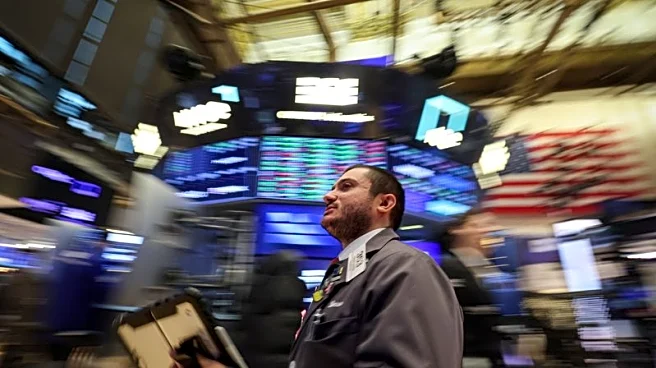
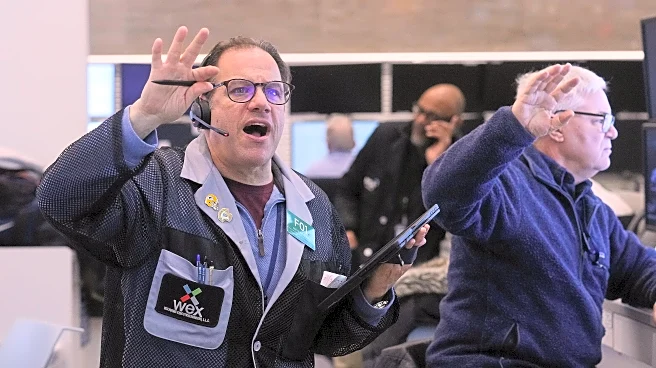
The confirmation process for Warsh will be closely watched, with potential resistance from within the Fed and among lawmakers who prioritize the central bank's independence. If confirmed, Warsh will need to balance the administration's economic goals with the Fed's mandate to control inflation and support economic stability. His policy decisions will have far-reaching effects on financial markets, interest rates, and the broader economy, influencing sectors such as housing, lending, and investment.