
What's Happening?
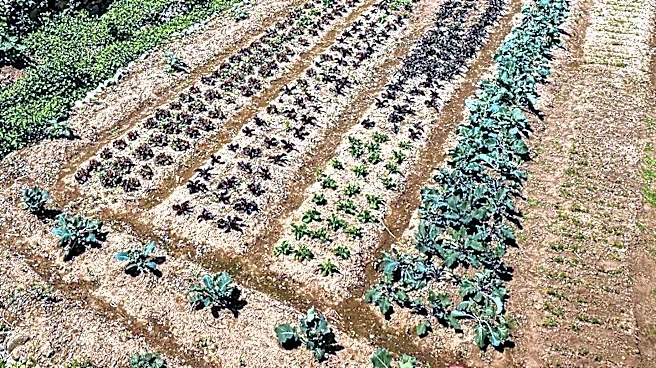
Agrobiodiversity is gaining traction as a significant trend in regenerative tourism, offering hotels a unique way to enhance guest experiences and drive demand. This approach involves diversifying food
crops to improve climate resilience and reduce reliance on monocropping, which contributes to carbon emissions. By incorporating agrobiodiversity, hotels can offer exclusive culinary experiences featuring rare and locally sourced foods. This trend aligns with the growing demand for authentic and sustainable travel experiences, particularly in the luxury sector. Hotels are leveraging agrobiodiversity to differentiate their offerings and create new revenue streams through culinary immersion, wellness products, and educational programs.
Why It's Important?
Agrobiodiversity represents a shift towards more sustainable and environmentally friendly tourism practices. It supports climate resilience by promoting diverse, regionally adapted crops that restore soil health and reduce chemical inputs. For the hospitality industry, this trend offers a way to enhance brand differentiation and appeal to eco-conscious travelers. By focusing on unique and culturally significant foods, hotels can create memorable guest experiences that justify higher rates and foster brand loyalty. This approach also aligns with broader sustainability goals, contributing to the industry's efforts to reduce its environmental impact.
What's Next?
As agrobiodiversity becomes more mainstream, hotels are expected to expand their offerings to include more diverse and immersive experiences. This may involve partnerships with local farms, development of on-site gardens, and integration of rare ingredients into menus and wellness products. The trend is likely to influence the broader hospitality industry, encouraging more properties to adopt sustainable practices and focus on local sourcing. As consumer demand for authentic and sustainable experiences grows, agrobiodiversity could become a standard feature in luxury travel, driving innovation and competition in the sector.
Beyond the Headlines
The rise of agrobiodiversity in tourism highlights the intersection of environmental stewardship and economic opportunity. It raises questions about the role of the hospitality industry in promoting sustainable practices and supporting local communities. This trend also reflects a broader cultural shift towards valuing diversity and authenticity in consumer experiences. As hotels embrace agrobiodiversity, they contribute to preserving regional food traditions and biodiversity, offering a model for other industries to follow in balancing profitability with sustainability.