
What's Happening?
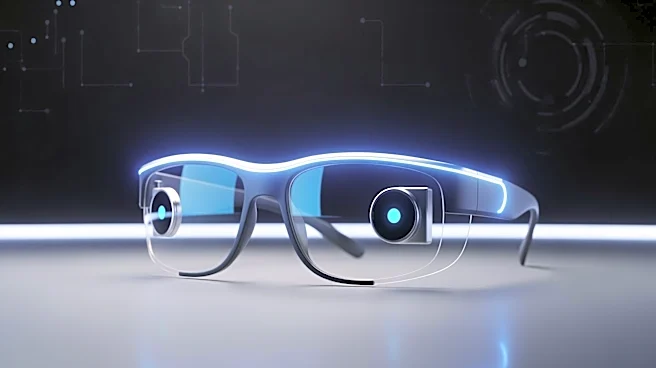
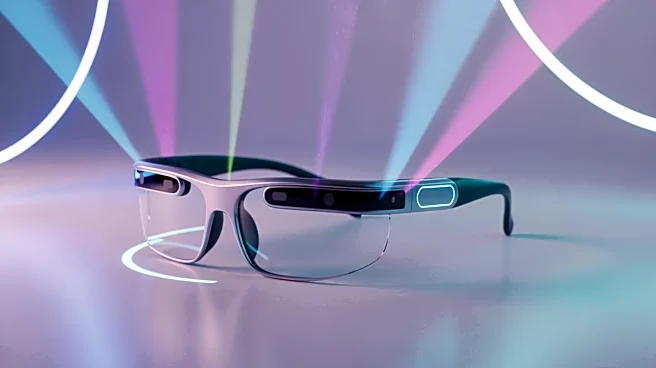
Meta has announced the launch of two new Ray-Ban Meta Blayzer/Scriber Optics models, available for preorder in the U.S. at $499, with retail availability starting April 14. These models are designed to
integrate augmented reality (AR) into everyday eyewear, featuring optician-adjustable fittings and prescription support. This development aims to make AR more accessible to individuals who already wear glasses, potentially increasing the adoption of AR technology. Additionally, Apple is reportedly testing four smart-glasses designs, indicating a phased rollout strategy targeting a premium market segment. Snap and Google are also making moves in the AR space, with Snap forming a dedicated glasses unit and Google partnering with retailers to introduce AI-enabled glasses. The global shipment of smart glasses is expected to rise from 9.6 million units in 2025 to 13.4 million in 2026, suggesting a growing market for AR wearables.
Why It's Important?
The introduction of prescription-friendly AR glasses by Meta could significantly lower the barrier for consumers to adopt AR technology, potentially expanding its use in everyday life. This move is part of a broader trend where major tech companies are investing in AR wearables, indicating a shift towards more integrated and practical applications of AR. The anticipated increase in smart glasses shipments suggests that AR could become more mainstream, with lower prices and more options available to consumers. This expansion could impact various industries, including retail, healthcare, and entertainment, by enhancing user experiences and creating new opportunities for innovation.
What's Next?
As AR technology becomes more accessible, it is likely that more consumers will begin to adopt these devices, leading to increased demand for AR applications and content. Companies like Meta, Apple, Snap, and Google are expected to continue developing and refining their AR offerings, potentially leading to new partnerships and innovations in the tech industry. Retailers may also begin to stock more AR products, further driving consumer interest and adoption. The success of these initiatives could influence other tech companies to enter the AR market, increasing competition and accelerating technological advancements.