
What's Happening?
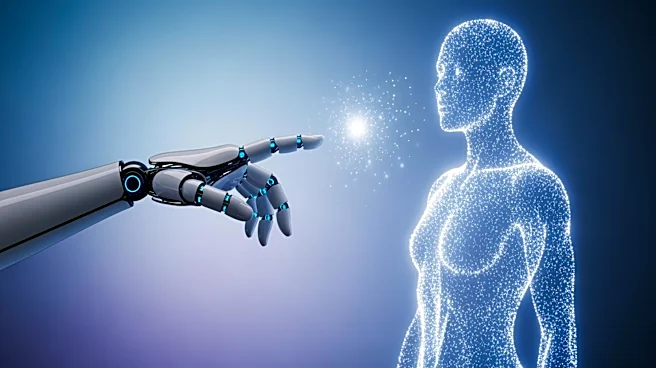
Sarah Sebo, an assistant professor of computer science at the University of Chicago, discusses the nuances of human-robot interaction and the factors that make robots feel 'alive.' Sebo highlights the importance
of agency and experience in robots, which can influence how humans perceive them. She addresses the 'uncanny valley' phenomenon, where robots that closely resemble humans can evoke discomfort. Sebo also explores the potential for robots to enhance social interactions in various settings, from theme parks to healthcare.
Why It's Important?
Understanding human-robot interaction is crucial as robots become more integrated into everyday life. Sebo's insights can inform the design of robots that are both functional and socially engaging, impacting industries such as healthcare, retail, and entertainment. As robots take on more roles traditionally held by humans, their ability to interact naturally and effectively with people will be key to their acceptance and success. This research can guide the development of robots that complement human activities, enhancing productivity and social connectivity.
Beyond the Headlines
The ethical implications of human-robot interaction are significant, particularly regarding the potential replacement of human-human interactions. As robots become more capable, there is a risk that they could diminish face-to-face communication, impacting social health. Designing robots to encourage human interaction rather than replace it will be essential to maintaining the quality of human relationships. Additionally, the cultural impact of lifelike robots raises questions about identity and the nature of social entities, challenging traditional perceptions of what it means to be 'alive.'