
What's Happening?
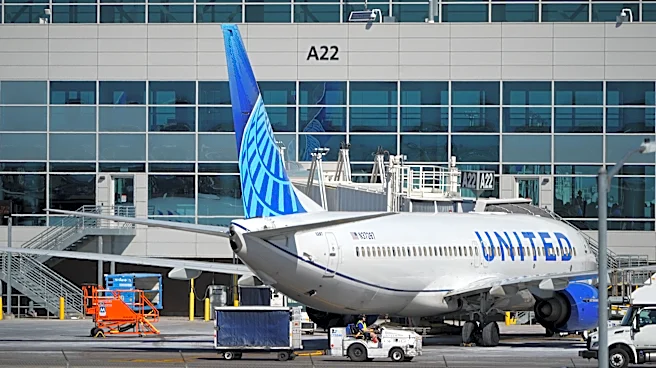
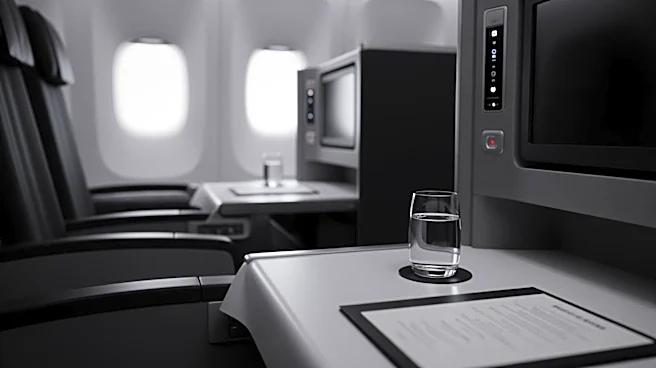
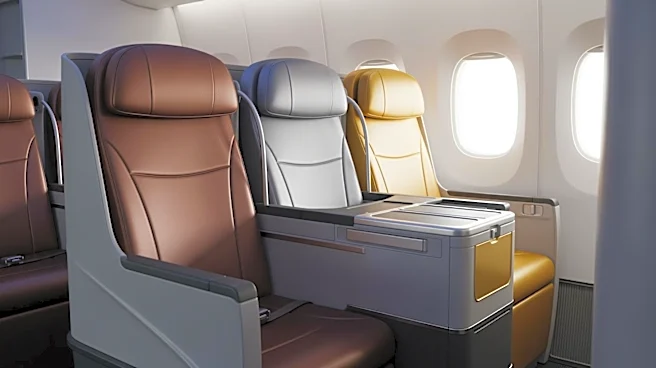
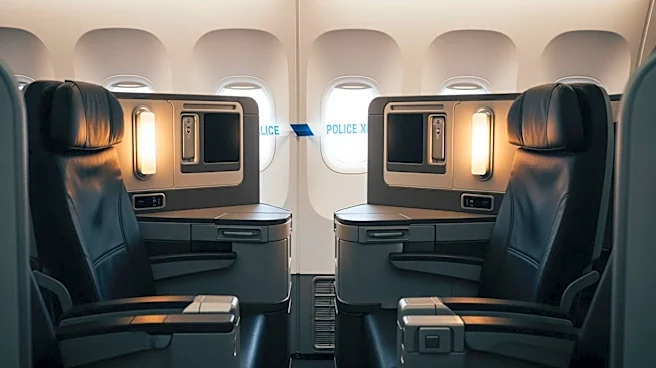
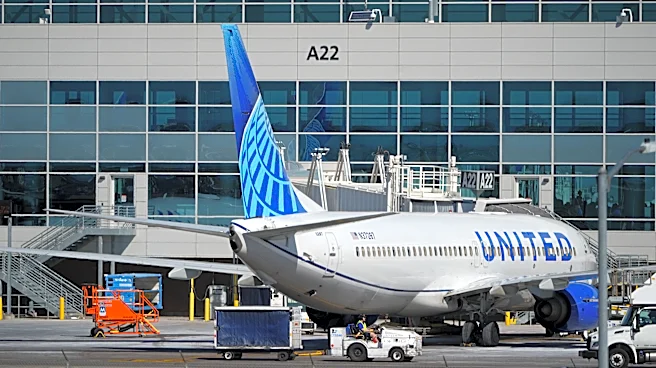
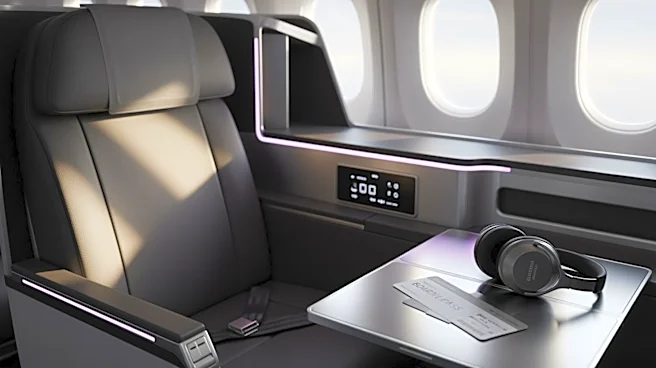
United Airlines has announced a new tiered fare structure for its premium cabin tickets, specifically for United Polaris business class and United Premium Plus premium economy. The new structure introduces
three fare categories: Base, Standard, and Flexible. Each tier offers the same seating options but varies in perks such as seat selection, baggage allowances, change and refund options, and lounge access. The Base fare, a new addition, offers the lowest entry price but comes with restrictions like no complimentary seat selection and limited baggage benefits. The Standard and Flexible fares provide additional benefits, with the Flexible fare offering the most perks, including full refunds and generous change policies. This change is part of United's strategy to expand and monetize premium travel demand.
Why It's Important?
The introduction of tiered premium fares by United Airlines reflects a broader trend in the airline industry to cater to diverse customer preferences and maximize revenue from premium travel. By offering more choices, United aims to attract a wider range of travelers, from those seeking value to those desiring maximum flexibility and perks. This move is likely to enhance customer satisfaction by allowing passengers to select fares that best meet their needs. Additionally, it positions United competitively against other major carriers like Delta and American Airlines, which have also been expanding their premium offerings. The focus on premium travel is driven by its higher profitability compared to standard economy, influencing capacity and service decisions across the industry.
What's Next?
United plans to roll out the new fare structure on select long-haul international flights, transcontinental U.S. routes, and certain Hawaii services starting in April 2026, with a broader implementation throughout the year. The airline has updated its website and mobile app to clearly display fare differences during the booking process. As the new fare options become available, United will likely monitor customer feedback and adjust its offerings to optimize satisfaction and revenue. The success of this initiative could lead to further innovations in fare structures and service offerings, potentially influencing industry standards.