
What's Happening?
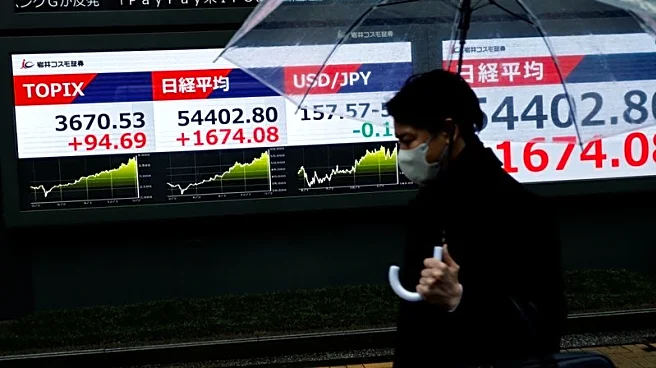
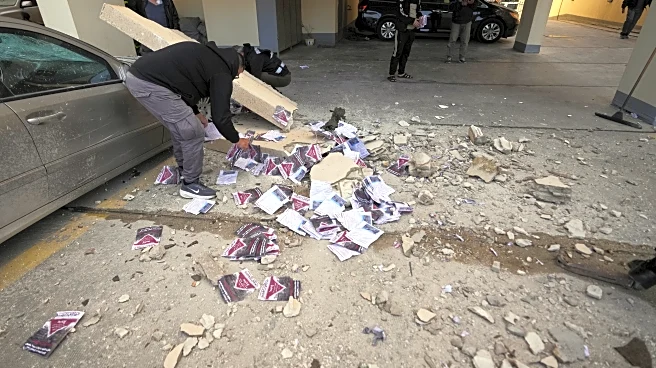
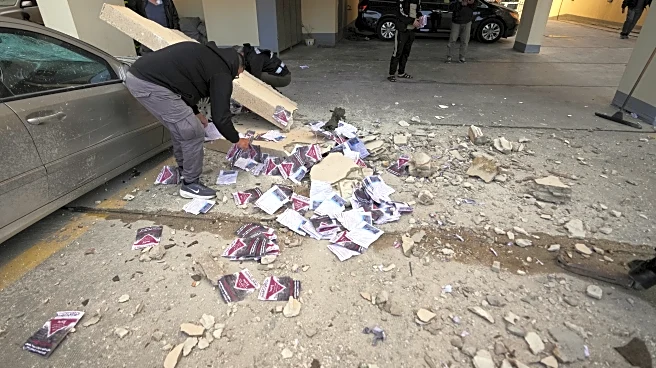
The ongoing conflict involving U.S. and Israeli attacks on Iran has led to significant disruptions in global supply chains and energy supplies. These disruptions have resulted in soaring gas prices and increased costs across various sectors of the economy.
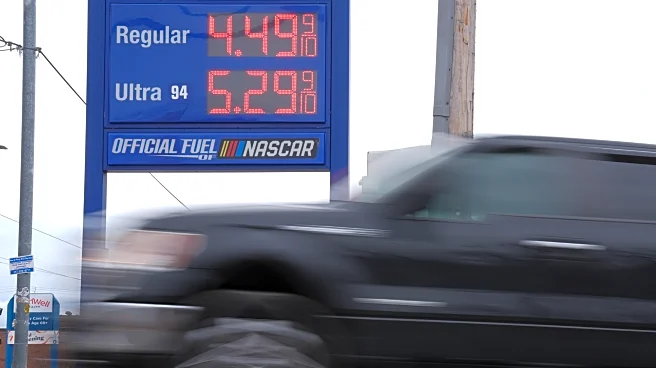
The average price of regular gasoline in the U.S. rose from $3.01 to $3.96 per gallon, while diesel prices increased from $3.89 to $5.37. These price hikes are affecting transportation, agriculture, and manufacturing, leading to higher consumer prices for goods such as groceries, household items, and electronics. The conflict has also impacted air cargo capacity, causing delays in the delivery of high-value goods.
Why It's Important?
The rise in fuel prices and supply chain disruptions have broad implications for the U.S. economy. Higher transportation and production costs are likely to contribute to inflation, affecting consumer purchasing power and potentially slowing economic growth. Industries reliant on global supply chains, such as electronics and automotive, may face production delays and increased costs. The conflict's impact on energy supplies highlights the vulnerability of global trade networks to geopolitical tensions. As a result, businesses and consumers may need to adapt to a more volatile economic environment, with potential long-term shifts in supply chain strategies and energy sourcing.
What's Next?
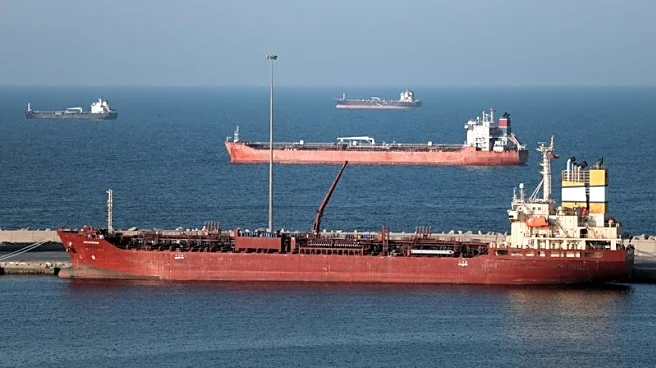
Efforts to mitigate the impact of the conflict include the release of oil reserves by 32 nations and the exploration of alternative shipping routes. However, these measures may not fully compensate for the disruptions in the Strait of Hormuz, a critical chokepoint for global energy supplies. The situation remains fluid, with potential for further escalation or resolution of the conflict. Policymakers and businesses will need to remain vigilant and responsive to changes in the geopolitical landscape. In the long term, there may be increased emphasis on diversifying energy sources and strengthening supply chain resilience.