




What's Happening?
SpaceX has reportedly filed confidential paperwork for an initial public offering (IPO) aiming to raise $75 billion at a $1.75 trillion valuation. CEO Elon Musk has highlighted orbital data centers as a significant component of SpaceX's future strategy.
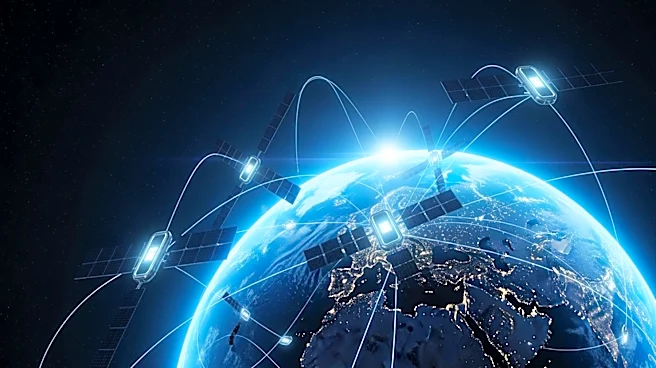
The concept involves deploying data centers in space, which presents both engineering and financial challenges. This initiative is part of a broader trend where companies like SpaceX and Amazon are exploring space-based solutions to circumvent terrestrial challenges such as regulatory hurdles and public opposition to data centers. The discussion around this topic was featured in a recent TechCrunch podcast, where experts debated the feasibility and potential impact of such projects.
Why It's Important?
The development of orbital data centers could revolutionize the data storage industry by providing an alternative to traditional land-based centers, which face increasing opposition due to environmental and social concerns. For SpaceX, this initiative could enhance its appeal to investors by showcasing its innovative capabilities and potential for future growth. The move also positions SpaceX as a leader in the emerging space economy, potentially setting a precedent for other companies. If successful, this could lead to significant advancements in data processing and storage, impacting industries reliant on large-scale data operations.
What's Next?
As SpaceX moves forward with its IPO plans, the company will likely continue to develop and refine its orbital data center technology. This will involve addressing technical challenges and securing the necessary capital to fund these ambitious projects. The success of this initiative could influence other tech giants to explore similar ventures, potentially leading to increased competition in the space-based data center market. Stakeholders, including investors and regulatory bodies, will be closely monitoring SpaceX's progress and the broader implications for the tech and space industries.