





What's Happening?
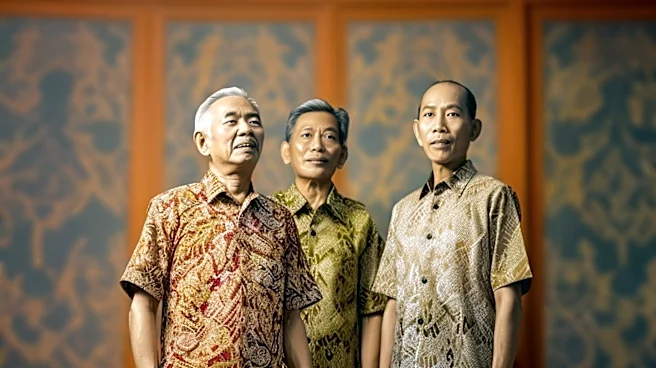
A growing narrative in the United States challenges the perception of elders as a burden, instead highlighting their role as vital infrastructure within communities. Many elders, particularly grandparents, serve as primary caregivers for their grandchildren,
often without adequate support. This perspective argues that societal systems have failed to recognize and integrate the contributions of elders, leading to their marginalization. The article emphasizes the need to redesign policies and systems to better support and include elders, recognizing their contributions to social cohesion and community resilience.
Why It's Important?
Reframing the role of elders from dependents to essential community members has significant implications for social policy and community planning. By acknowledging elders as integral to community infrastructure, society can better support intergenerational relationships and cultural continuity. This shift could lead to more inclusive policies that provide financial and social support to elders, enhancing their ability to contribute to community life. Recognizing elders' roles can also strengthen community resilience and stability, benefiting society as a whole.
Beyond the Headlines
The article calls for a realignment of priorities in philanthropy, policy, and community planning to better support elders. It suggests that investing in elder care should be seen as a foundational investment rather than a cost. By designing communities that integrate elders, society can harness their contributions to strengthen social cohesion and support intergenerational learning. This approach requires a shift in how value is defined and measured, moving beyond narrow definitions of productivity and independence.