
What's Happening?
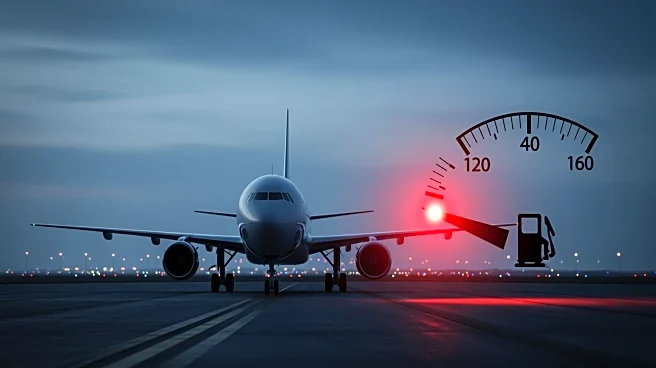
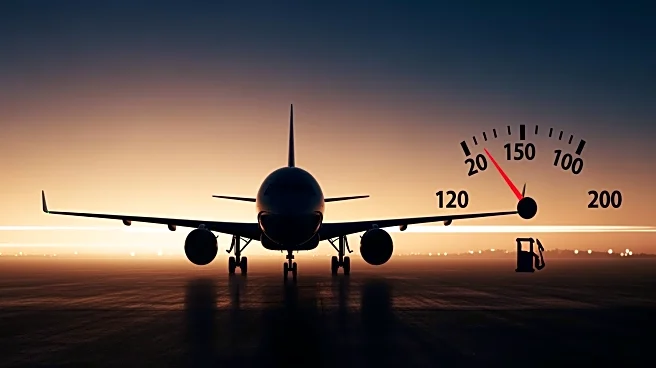
United Airlines is set to cut additional flights over the next two quarters as it braces for sustained high jet fuel prices due to the ongoing conflict in Iran. The airline's CEO, Scott Kirby, indicated that United is preparing for oil prices to potentially
reach $175 per barrel, with expectations for prices to remain above $100 until the end of 2027. The airline has already begun reducing less profitable flights, including midweek, Saturday, and overnight services, and plans to cut about 5% of its planned capacity for the year. Despite these challenges, strong travel demand has allowed U.S. carriers to increase fares, partially offsetting the impact of rising fuel costs.
Why It's Important?
The decision by United Airlines to cut flights highlights the significant impact of geopolitical tensions on the aviation industry. Rising fuel costs are a major concern for airlines, as they constitute a substantial portion of operational expenses. The ability of airlines to pass on these costs to consumers through fare increases will be crucial in maintaining profitability. This situation also underscores the importance of strategic planning and flexibility in airline operations, as companies must navigate the challenges posed by volatile energy markets and geopolitical uncertainties.
What's Next?
United Airlines plans to restore its full flight schedule by the fall of 2026. The airline's strategy includes maintaining flexibility to adjust capacity in response to fuel price fluctuations. The broader industry may see similar capacity adjustments as airlines seek to balance operational costs with demand. The situation also calls for continued monitoring of geopolitical developments and potential government interventions to stabilize energy markets.