





What's Happening?
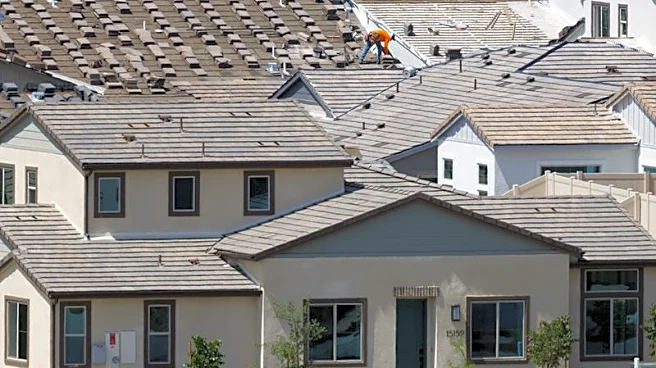
Realtor.com has released a comprehensive analysis of U.S. land listings, revealing a significant 77% increase in land prices since the first quarter of 2019. The report highlights a persistent shortage in land inventory, which remains 24% below pre-pandemic
levels. This shortage is attributed to the pandemic-era construction boom that permanently transformed much of the available land into housing, thus reducing the supply. The analysis shows that raw land has appreciated the most, with an 86.5% increase per acre, while build-ready lots have seen a 53.3% rise. The Northeast and Midwest regions have experienced the highest price increases, while the West has seen the least appreciation. The report underscores the structural challenges in replenishing land inventory, as developed land does not return to the market.
Why It's Important?
The significant rise in land prices and the persistent inventory shortage have profound implications for the U.S. housing market. As land is a fundamental component of housing supply, the scarcity and high cost of land could lead to increased housing prices, making homeownership less affordable for many Americans. This situation could exacerbate the housing affordability crisis, particularly in regions with the highest land price increases. The report suggests that until the development pipeline catches up, the high land prices and low inventory levels are unlikely to change, potentially leading to more costly new construction projects. This could impact builders, developers, and prospective homebuyers, as well as influence regional economic growth and housing policies.
What's Next?
The ongoing shortage of land inventory suggests that the U.S. housing market may continue to face challenges in meeting demand. Builders and developers may need to explore alternative strategies, such as increasing the density of developments or seeking out less developed areas for new projects. Policymakers might also consider revising zoning laws and regulations to facilitate more efficient land use and development. Additionally, the report indicates that the Northeast and Midwest regions may continue to see strong demand and price growth, while the West could experience a stabilization or decline in land prices. Monitoring these regional trends will be crucial for stakeholders in the real estate and construction industries.