



What's Happening?
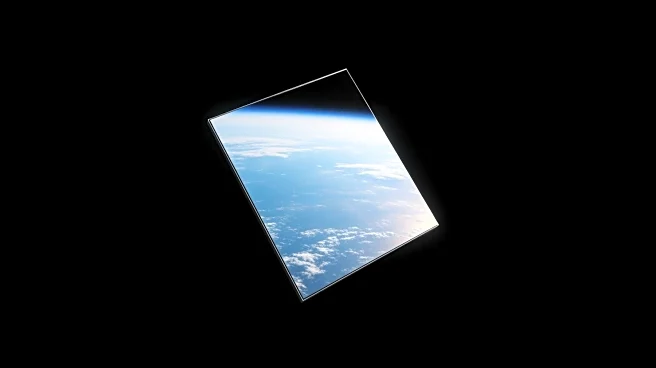
Reflect Orbital, a startup based in Los Angeles County, is proposing to launch giant mirrors into space to reflect sunlight back to Earth at night, aiming to sell this light to various customers. The company's first test satellite, EARENDIL-1, is awaiting
approval from the U.S. Federal Communications Commission (FCC). The proposal has sparked significant opposition from scientists, astronomers, and health experts who warn of potential environmental and health impacts. Critics argue that the project could disrupt ecosystems, affect human health, and alter the night sky. The FCC's decision on the satellite is pending, with no set timeline for approval.
Why It's Important?
The proposal by Reflect Orbital highlights the growing interest in innovative solutions to harness solar energy, even at night. However, the project raises significant concerns about its potential impact on the environment and public health. The introduction of artificial light at night could disrupt natural ecosystems, affecting wildlife and plant life, and potentially leading to broader ecological consequences. Additionally, the health implications of increased light exposure at night are a concern, with experts warning of possible negative effects on human circadian rhythms. The project also raises regulatory questions, as the FCC's typical exemption of satellites from the National Environmental Policy Act could mean insufficient environmental review.
What's Next?
The FCC is currently deliberating on whether to approve the test satellite, EARENDIL-1. If approved, Reflect Orbital plans to launch the satellite as early as this summer. The company aims to have 1,000 satellites in orbit by 2029 and 50,000 by 2035. The decision by the FCC will likely influence future regulatory approaches to similar projects, potentially setting a precedent for how space-based technologies are evaluated in terms of environmental impact. Stakeholders, including environmental groups and public health experts, are expected to continue voicing their concerns as the project progresses.