



What's Happening?
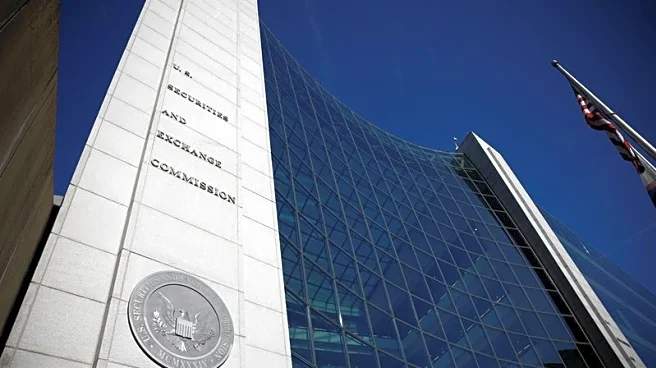
The Securities and Exchange Commission (SEC) is reportedly preparing a proposal to make quarterly earnings reports optional for companies, allowing them to report earnings biannually instead. This proposal, which could be published as early as next month,
is supported by President Trump, who initially suggested the idea during his first term. The SEC is currently in discussions with major exchanges to determine necessary adjustments to their rules. The proposal will undergo a public comment period, typically lasting at least 30 days, before the SEC votes on it. The change aims to reduce the focus on short-term results and cut costs for companies, though critics warn it could decrease transparency and increase market volatility.
Why It's Important?
The potential shift from mandatory quarterly to optional biannual earnings reports could significantly impact U.S. businesses and investors. Proponents, including President Trump, argue that less frequent reporting could help companies focus on long-term growth rather than short-term performance, potentially leading to more sustainable business practices. This change could also reduce administrative costs associated with frequent reporting. However, opponents express concerns about reduced transparency, which could lead to increased market volatility and less informed investment decisions. The proposal reflects ongoing debates about balancing regulatory requirements with business flexibility and market stability.
What's Next?
If the proposal is published, it will enter a public comment phase, allowing stakeholders to express their views. The SEC will then review the feedback before voting on the proposal. Should the rule be adopted, companies will have the option to report earnings every six months, though quarterly reporting will remain available. The decision will likely prompt reactions from various stakeholders, including investors, companies, and regulatory bodies, each weighing the benefits of reduced reporting frequency against the potential risks of decreased market transparency.