


What's Happening?
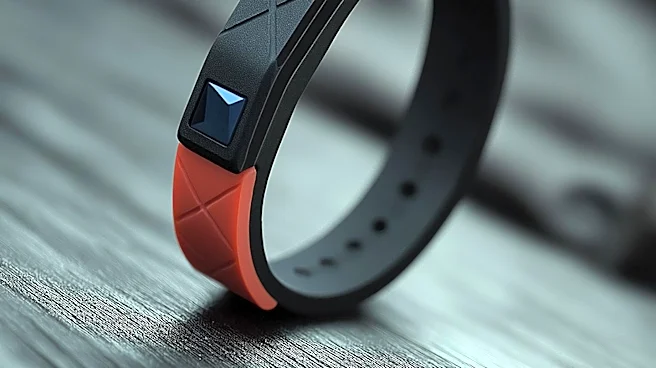
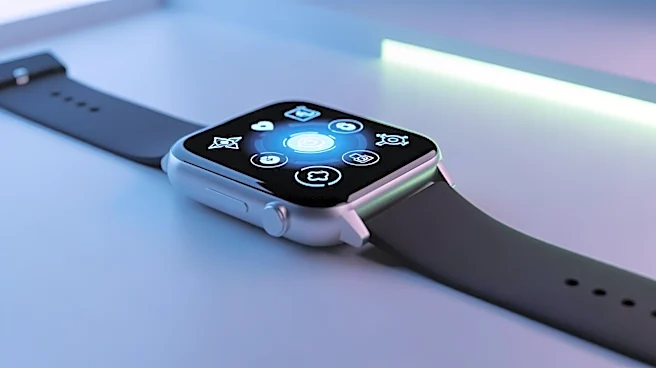
A research team from the National University of Singapore, led by Professor Ho Ghim Wei, has developed a new wearable device that accurately detects fatigue using AI and advanced sensors. This device, which integrates a metahydrogel platform with AI-driven
signal processing, addresses the challenge of motion artefacts that typically degrade the accuracy of wearable health devices. The system achieves an electrocardiograph (ECG) signal-to-noise ratio of 37.36 dB and a blood pressure deviation as low as 3 mmHg during movement, meeting ISO clinical-grade standards. The platform classifies fatigue levels with 92% accuracy, significantly outperforming current commercial trackers. The findings were published in Nature Sensors on March 24, 2026.
Why It's Important?
The development of this wearable device is significant as it offers a more objective and continuous method for monitoring mental health conditions like fatigue, which are traditionally diagnosed through subjective self-reported questionnaires. This advancement could have substantial implications for professions where alertness is critical, potentially reducing economic costs associated with burnout and chronic fatigue. By providing more reliable data, the device could improve mental health assessments and interventions, benefiting both individuals and healthcare providers. The integration of AI and advanced sensor technology in wearables represents a growing trend in the health tech industry, emphasizing the importance of accurate real-time health monitoring.
What's Next?
The research team plans to collaborate with mental health physicians to refine the device's capabilities and ensure it meets clinical needs. They are also seeking industrial partners to enhance the device's consistency and scalability for practical, product-level implementation. This collaboration could lead to the development of a commercially viable product that could be widely used in various settings, from healthcare facilities to personal use. The team's efforts to optimize manufacturing strategies will be crucial in bringing this innovative technology to market.
Beyond the Headlines
The wearable device's ability to suppress artefacts across diverse biosignal types, including heart and respiratory sounds, highlights its potential for broader applications in neurophysiological and mental health monitoring. This could lead to new insights into the physiological data most relevant for diagnosing and managing mental health conditions. The device's development also underscores the importance of interdisciplinary collaboration in advancing health technology, combining expertise in engineering, AI, and clinical practice.